
The 12 Jyotirlingas in India are among the holiest pilgrimage destinations dedicated to Lord Shiva. Every year, millions of devotees travel across the country to seek blessings at these sacred shrines, as each holds immense religious significance and centuries of history.
According to Hindu scriptures, a Jyotirlinga represents the infinite and eternal form of Lord Shiva, appearing as a divine pillar of light. Therefore, visiting all twelve Jyotirlingas is considered one of the most sacred pilgrimages in Hinduism. Moreover, devotees believe this spiritual journey brings inner peace, divine blessings, spiritual growth, and ultimately liberation from the cycle of birth and death.
Furthermore, these sacred temples are spread across different states of India, from the snow-clad Himalayas to the southern coastline. As a result, pilgrims not only experience deep spiritual fulfillment but also discover India’s diverse culture, magnificent temple architecture, ancient traditions, and regional heritage.
Whether you are planning to visit a single Jyotirlinga or complete the entire pilgrimage circuit, this comprehensive guide will help you understand the significance of each temple, its location, mythology, travel routes, the best time to visit, and essential travel tips. Ultimately, it will help you plan a meaningful and well-organized Jyotirlinga pilgrimage across India.
What is a Jyotirlinga?
The word Jyotirlinga is derived from two Sanskrit words:
- Jyoti means Divine Light.
- Linga represents Lord Shiva.
Together, Jyotirlinga signifies the radiant manifestation of Lord Shiva as an endless pillar of divine light.
According to the Shiva Purana, Lord Brahma and Lord Vishnu once argued about who was supreme. To resolve the dispute, Lord Shiva appeared as an infinite pillar of light that stretched beyond heaven and earth. However, neither Brahma nor Vishnu could find its beginning or end, demonstrating Lord Shiva’s limitless and eternal nature.
The 12 Jyotirlingas in India are believed to mark the sacred places where this divine light manifested on Earth. Today, these temples are among the most important pilgrimage destinations for devotees of Lord Shiva and attract millions of pilgrims every year.
Moreover, each of the 12 Jyotirlingas in India has its own unique legend, architectural style, spiritual significance, and regional traditions. As a result, every temple offers a distinctive pilgrimage experience while reflecting India’s rich religious and cultural heritage..
Spiritual Importance of Visiting the 12 Jyotirlingas
The 12 Jyotirlingas in India pilgrimage is regarded as one of the highest forms of Lord Shiva worship. For centuries, devotees have believed that visiting these sacred temples with faith and devotion brings immense spiritual blessings and divine grace. Moreover, this holy journey is considered a path toward inner peace, self-realization, and spiritual growth.
Some of the key spiritual benefits of visiting the 12 Jyotirlingas in India include:
- Seeking the blessings of Lord Shiva for peace, prosperity, and good health.
- Attaining spiritual purification and inner transformation.
- Reducing the effects of negative karma through sincere devotion.
- Experiencing India’s rich spiritual traditions and magnificent temple heritage.
- Participating in sacred rituals such as Abhishekam, Rudrabhishek, and Aarti.
- Strengthening one’s connection with Sanatan Dharma and ancient Hindu philosophy.
- Completing one of India’s most revered pilgrimage circuits.
Furthermore, each Jyotirlinga has its own unique history, mythology, and religious significance, making every visit a meaningful spiritual experience. As a result, pilgrims not only deepen their devotion to Lord Shiva but also gain a greater appreciation of India’s timeless cultural and religious heritage.
Ultimately, the journey to the 12 Jyotirlingas in India becomes much more than a temple tour. Instead, it transforms into a sacred pilgrimage that combines faith, discipline, devotion, and self-discovery, leaving devotees with lifelong spiritual memories.
List of the 12 Jyotirlingas in India
| No. | Jyotirlinga | State |
|---|---|---|
| 1 | Somnath | Gujarat |
| 2 | Mallikarjuna | Andhra Pradesh |
| 3 | Mahakaleshwar | Madhya Pradesh |
| 4 | Omkareshwar | Madhya Pradesh |
| 5 | Kedarnath | Uttarakhand |
| 6 | Bhimashankar | Maharashtra |
| 7 | Kashi Vishwanath | Uttar Pradesh |
| 8 | Trimbakeshwar | Maharashtra |
| 9 | Vaidyanath | Jharkhand |
| 10 | Nageshwar | Gujarat |
| 11 | Rameshwaram | Tamil Nadu |
| 12 | Grishneshwar | Maharashtra |
Each of these temples has its own mythology, historical background, and religious significance. Together, they form one of the most sacred pilgrimage circuits in India.
1. Somnath Jyotirlinga – The First Jyotirlinga
Significance
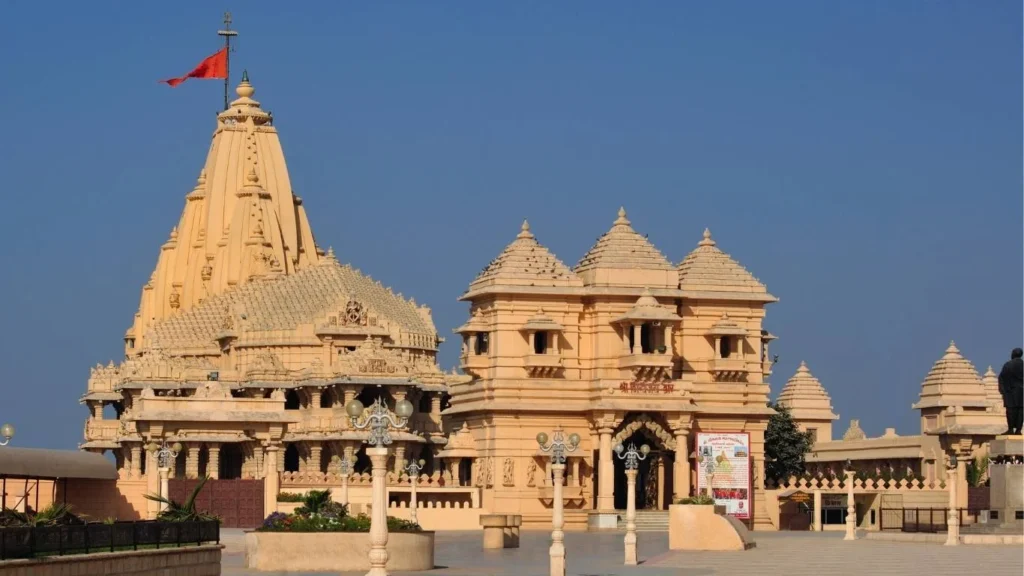
Somnath Jyotirlinga is regarded as the first among the 12 Jyotirlingas in India and is one of the oldest and most revered temples dedicated to Lord Shiva. Located on the western coast of Gujarat, the temple overlooks the Arabian Sea, offering devotees a breathtaking spiritual and scenic experience.
According to Hindu mythology, Chandra Dev (the Moon God) worshipped Lord Shiva at this sacred site to overcome a curse imposed by King Daksha. As a result, Lord Shiva blessed him by restoring his lost radiance, and the temple came to be known as Somnath, meaning “Protector of the Moon.”
Over the centuries, Somnath Temple faced repeated invasions and destruction. However, it was rebuilt several times, symbolizing the unwavering faith, resilience, and devotion of Hindu devotees. Today, the magnificent temple, constructed in the Chalukya architectural style, stands as a proud symbol of India’s rich spiritual heritage and is one of the most visited destinations among the 12 Jyotirlingas in India.
Moreover, thousands of pilgrims and tourists visit Somnath every year to seek the blessings of Lord Shiva, admire its remarkable architecture, and witness the spectacular views of the Arabian Sea. Therefore, a visit to Somnath is considered an essential part of the sacred 12 Jyotirlingas in India pilgrimage.
Highlights
- First Jyotirlinga of Lord Shiva
- Located on the Arabian Sea coastline
- Magnificent Chalukya-style architecture
- Famous evening Sound & Light Show
- Spiritual atmosphere with breathtaking sunset views
Best Time to Visit
October to March offers pleasant weather for sightseeing and pilgrimage.
2. Mallikarjuna Jyotirlinga – The Sacred Shrine of Srisailam
Significance
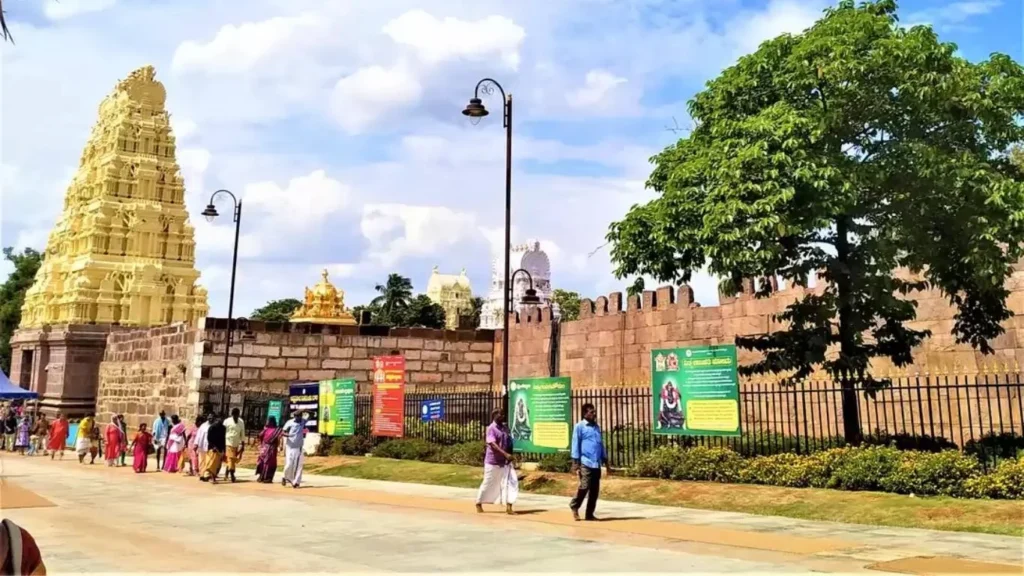
Located on the beautiful Nallamala Hills along the banks of the Krishna River, Mallikarjuna Jyotirlinga is one of the most important pilgrimage destinations in South India. Moreover, it is one of the 12 Jyotirlingas in India and is uniquely revered as one of the 18 Maha Shakti Peethas, making it sacred to both Lord Shiva and Goddess Parvati.
According to Hindu legend, Lord Shiva and Goddess Parvati came to Srisailam to console their son Kartikeya after he chose to live in solitude. Since then, the divine couple has been worshipped here as Mallikarjuna and Bhramaramba, attracting devotees seeking spiritual blessings and divine grace.
Furthermore, the temple welcomes millions of pilgrims every year, especially during Maha Shivaratri and the holy month of Kartik. As a result, Mallikarjuna has become one of the most visited temples among the 12 Jyotirlingas in India, offering devotees a unique blend of spirituality, mythology, and natural beauty.
Highlights
- One of the twelve Jyotirlingas
- One of the eighteen Maha Shakti Peethas
- Scenic location amidst the Nallamala Hills
- Sacred Krishna River nearby
- Major pilgrimage destination in South India
Best Time to Visit
October to February is considered the most comfortable season for pilgrims.
3. Mahakaleshwar Jyotirlinga – The Lord of Time
Significance
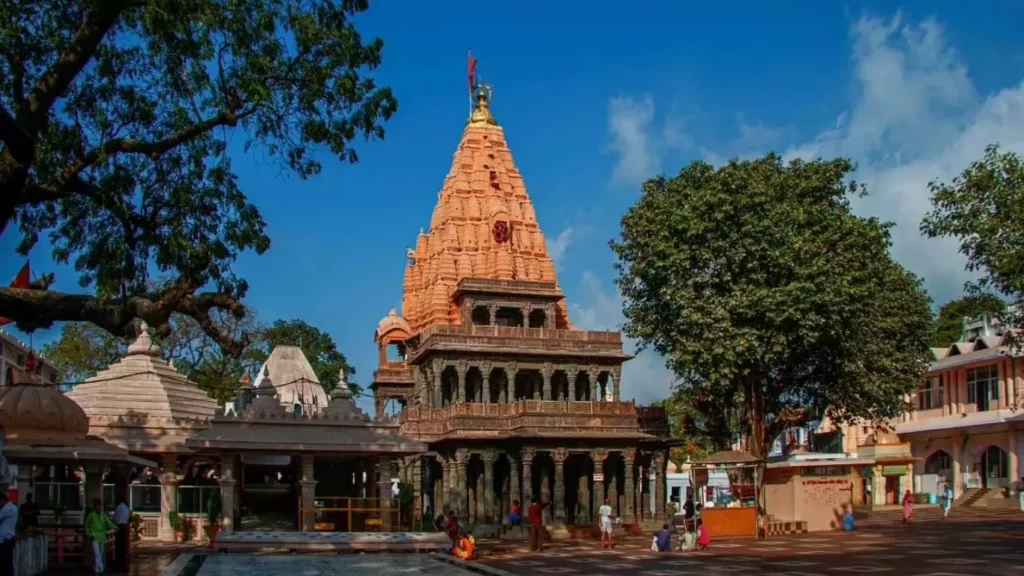
Among the 12 Jyotirlingas in India, Mahakaleshwar Jyotirlinga in the ancient city of Ujjain stands as one of the most revered temples dedicated to Lord Shiva. Notably, devotees worship Lord Shiva here in the form of Mahakal, the eternal ruler of time and death. Therefore, pilgrims from across the world visit this sacred temple to seek protection from untimely death, remove negative influences, and receive divine blessings.
Unlike most other Jyotirlingas, Mahakaleshwar houses a Swayambhu (self-manifested) Shiva Linga, which enhances its spiritual importance. Moreover, the temple attracts thousands of devotees every morning for the famous Bhasma Aarti. Temple priests perform this sacred ritual before sunrise using holy ash, creating a unique spiritual experience. As a result, devotees consider it one of the most significant Shiva rituals in India.
Furthermore, Mahakaleshwar stands on the banks of the sacred Shipra River, one of Hinduism’s holy rivers. Every twelve years, the city of Ujjain welcomes millions of pilgrims during the grand Simhastha Kumbh Mela, one of the world’s largest religious gatherings. Consequently, Mahakaleshwar becomes a major center of faith and devotion. Overall, Mahakaleshwar Jyotirlinga holds a special place among the 12 Jyotirlingas in India because of its ancient traditions, powerful rituals, rich history, and deep spiritual significance.
Highlights
- One of the 12 sacred Jyotirlingas
- Only south-facing (Dakshinamukhi) Jyotirlinga
- Famous Bhasma Aarti before sunrise
- Located in the ancient city of Ujjain
- Major pilgrimage site during Kumbh Mela
Best Time to Visit
October to March offers pleasant weather for temple visits and sightseeing.
4. Omkareshwar Jyotirlinga – The Sacred Island of Om
Significance
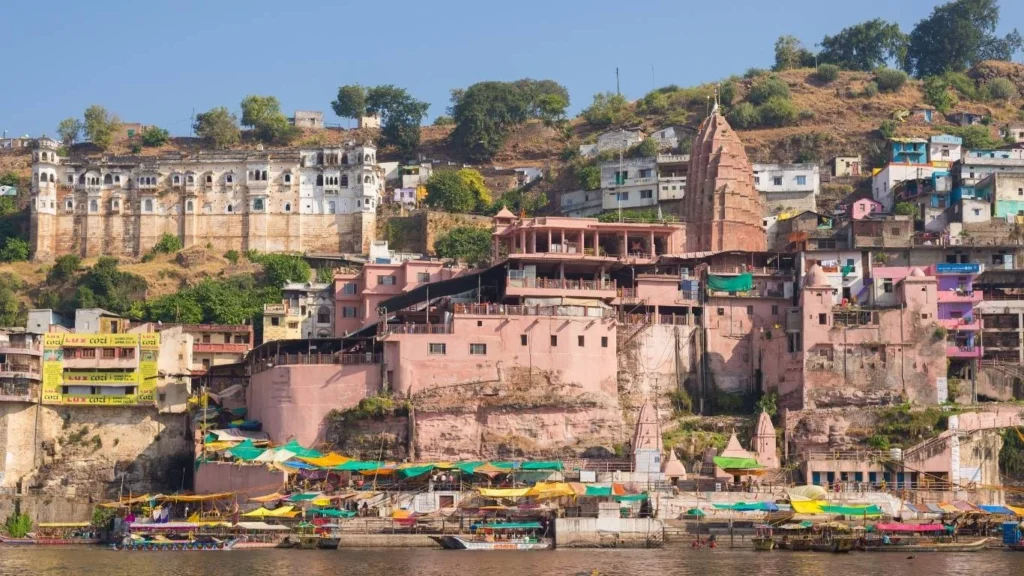
Omkareshwar Jyotirlinga is beautifully located on Mandhata Island in the Narmada River. Interestingly, the island naturally resembles the sacred symbol “Om (ॐ)”, giving this holy place its unique identity. According to Hindu beliefs, devotees believe that Lord Shiva appeared here after the Devas prayed for protection against evil forces.
Moreover, the temple is surrounded by the serene waters of the Narmada River and peaceful hills, creating a spiritually uplifting atmosphere. In addition, pilgrims often perform the Narmada Parikrama, a sacred circumambulation of the island, which is considered highly auspicious.
Furthermore, Omkareshwar is not only a significant pilgrimage destination but also a place where visitors can experience the beauty of nature alongside deep spiritual devotion. As a result, thousands of devotees and travelers visit this sacred shrine throughout the year to seek the blessings of Lord Shiva.
Highlights
- Located on the Om-shaped Mandhata Island
- Sacred Narmada River surrounds the temple
- Famous for Narmada Parikrama
- Peaceful spiritual environment
- Beautiful blend of nature and devotion
Best Time to Visit
October to March is the ideal time for comfortable travel and pilgrimage.
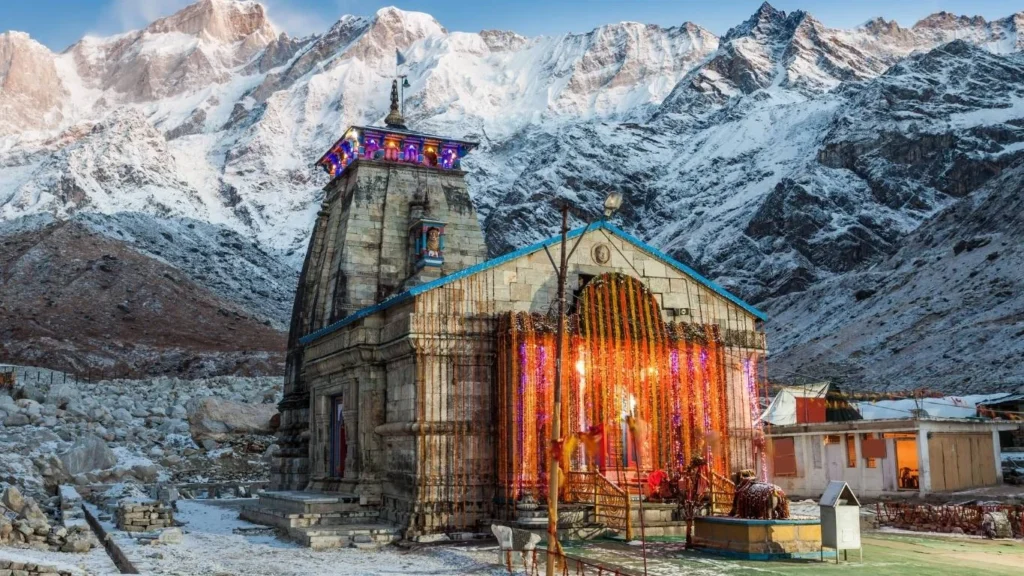
5. Kedarnath Jyotirlinga – The Himalayan Abode of Lord Shiva
Significance
Nestled at an altitude of approximately 3,583 metres (11,755 feet) in the Garhwal Himalayas, Kedarnath is one of the most sacred pilgrimage destinations in India. Moreover, surrounded by majestic snow-covered peaks, it forms an integral part of the Char Dham Yatra and is among the holiest Jyotirlingas.
According to the Mahabharata, the Pandavas sought Lord Shiva’s forgiveness after the Kurukshetra War. However, Shiva, unwilling to meet them, took the form of a bull and disappeared into the earth. Subsequently, the hump of the bull appeared at Kedarnath, while the remaining body parts emerged at the other Panch Kedar temples.
Furthermore, the temple remains open only for about six months each year due to heavy snowfall. During the winter season, devotees worship the deity at Omkareshwar Temple in Ukhimath until the Kedarnath Temple reopens. Therefore, pilgrims should plan their visit during the official pilgrimage season to ensure a smooth and fulfilling spiritual journey.
Highlights
- Part of the Char Dham Yatra
- Located amidst the Himalayan mountains
- One of the highest Jyotirlingas in India
- Scenic trekking and helicopter options available
- Rich mythology associated with the Pandavas
Best Time to Visit
May to June and September to October are considered the best months for visiting Kedarnath.
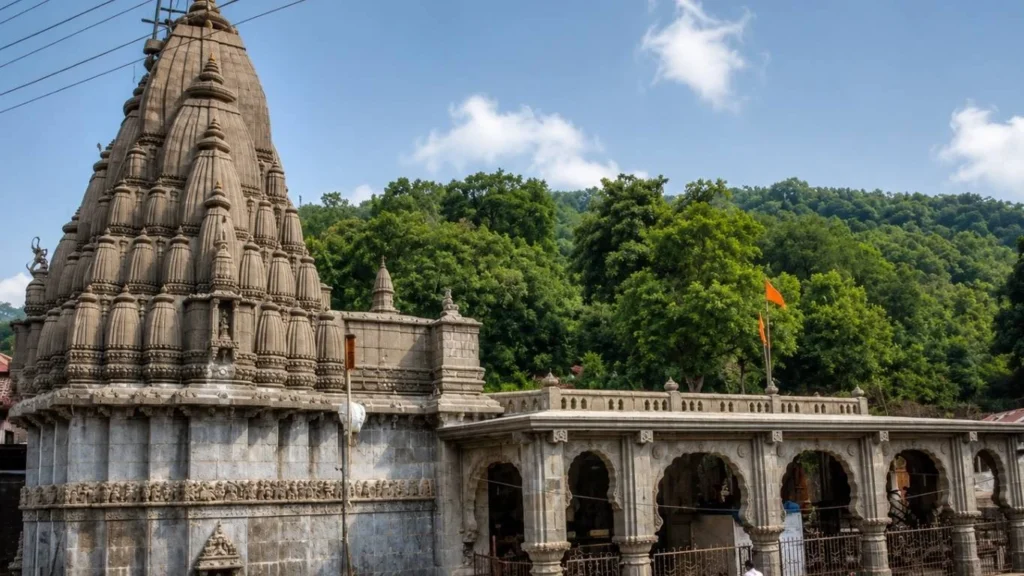
6. Bhimashankar Jyotirlinga – Shiva Amidst the Sahyadri Hills
Significance
Located deep within the lush Sahyadri Hills, Bhimashankar Jyotirlinga is one of Maharashtra’s most sacred Shiva temples. Notably, the temple is closely associated with the legend of the demon Bhima, who was defeated by Lord Shiva to restore peace and righteousness. Therefore, devotees regard this sacred shrine as a powerful symbol of the triumph of good over evil.
Apart from its immense spiritual significance, Bhimashankar is surrounded by the Bhimashankar Wildlife Sanctuary, which is home to rich biodiversity and the endangered Indian Giant Squirrel. Moreover, the sanctuary offers a peaceful natural environment that enhances the overall pilgrimage experience. In addition, the lush forests, misty hills, and serene surroundings attract both pilgrims and nature lovers throughout the year. As a result, visitors can enjoy a perfect blend of spirituality and natural beauty in one destination.
Furthermore, the temple showcases traditional Nagara-style architecture, reflecting India’s rich architectural heritage. At the same time, its tranquil surroundings create a calm and devotional atmosphere for worshippers. Most importantly, Bhimashankar attracts thousands of devotees during Maha shivaratri and the holy month of Shravan. Consequently, the temple becomes one of Maharashtra’s busiest pilgrimage destinations during these festivals. Overall, Bhimashankar Jyotirlinga offers devotees a unique combination of faith, history, architecture, and breathtaking natural beauty.
Highlights
- Sacred Jyotirlinga in the Sahyadri Hills
- Surrounded by Bhimashankar Wildlife Sanctuary
- Associated with the legend of Demon Bhima
- Peaceful forest environment
- Popular destination during Mahashivratri
Best Time to Visit
October to February is ideal for pleasant weather and comfortable travel.
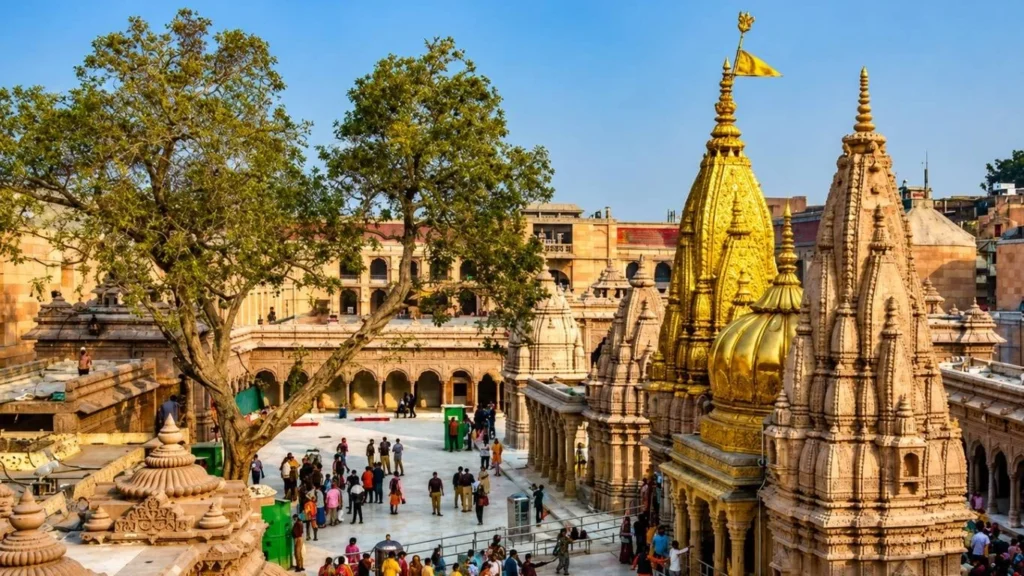
7. Kashi Vishwanath Jyotirlinga – The Spiritual Heart of Varanasi
Significance
Situated on the western bank of the sacred River Ganga, Kashi Vishwanath Jyotirlinga is one of the most revered temples dedicated to Lord Shiva. Moreover, the temple is located in Varanasi, one of the world’s oldest continuously inhabited cities and a major center of Hindu spirituality. As a result, millions of devotees visit this sacred shrine every year to seek the blessings of Lord Shiva.
According to Hindu beliefs, Lord Shiva himself resides in Kashi and grants liberation (Moksha) to sincere devotees. Therefore, a pilgrimage to Kashi Vishwanath is considered one of the most sacred journeys in Hinduism. Over the centuries, the temple has been rebuilt several times throughout history. Today, the magnificent Kashi Vishwanath Corridor provides improved access and modern facilities for millions of pilgrims. Consequently, devotees can enjoy a smoother and more organized pilgrimage experience.
Furthermore, the temple attracts devotees throughout the year. However, the number of pilgrims increases significantly during Mahashivratri, the holy month of Shravan, and Dev Deepawali. During these festivals, the temple comes alive with elaborate rituals, devotional chants, and grand celebrations. Overall, Kashi Vishwanath remains one of the most important spiritual destinations for devotees of Lord Shiva and a must-visit pilgrimage site in India.
Highlights
- One of the holiest Jyotirlingas in India
- Located on the banks of the River Ganga
- Connected to the grand Kashi Vishwanath Corridor
- Evening Ganga Aarti at Dashashwamedh Ghat
- Spiritual center of Sanatan Dharma
Best Time to Visit
October to March offers pleasant weather for pilgrimage and sightseeing.
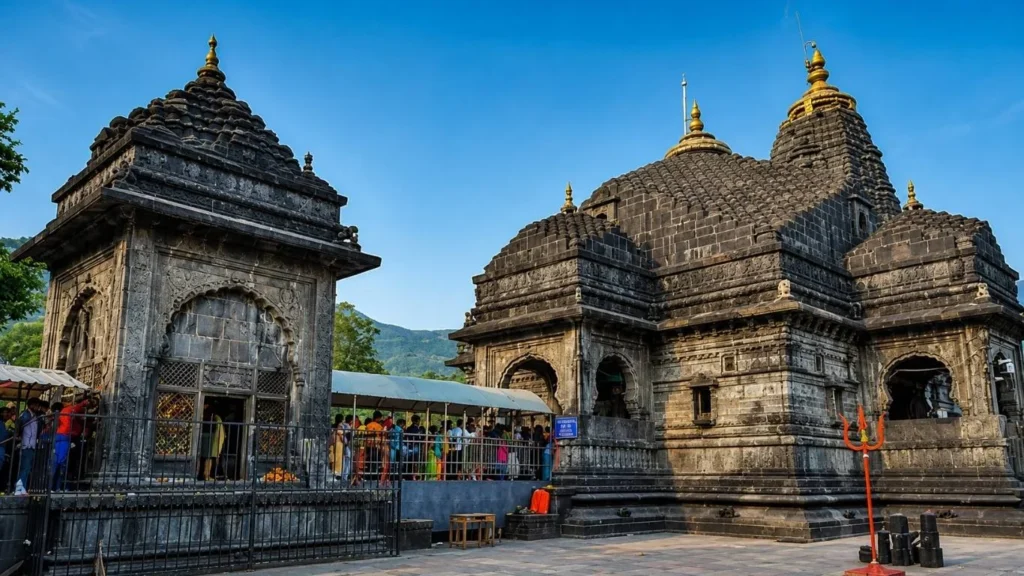
8. Trimbakeshwar– Source of the Sacred Godavari
Significance
Trimbakeshwar Jyotirlinga is located at the foothills of the Brahmagiri Hills near Nashik and is one of Maharashtra’s most sacred pilgrimage destinations. Notably, the temple is unique because the Jyotirlinga represents the divine Trinity— Lord Brahma, Lord Vishnu, and Lord Shiva. Therefore, it holds immense religious significance for devotees from across India.
Moreover, the temple is closely associated with the origin of the sacred Godavari River, one of India’s holiest rivers. As a result, thousands of pilgrims visit Trimbakeshwar every year to seek divine blessings and perform sacred rituals. In particular, devotees perform ceremonies such as Narayan Nagbali, Kaal Sarp Dosh Puja, and Pitru Shraddha, making the temple one of the most significant centers for Vedic rituals in India.
Furthermore, the temple, constructed from black basalt stone, is an excellent example of traditional Hemadpanthi architecture. In addition, its intricate carvings and timeless design reflect Maharashtra’s rich architectural heritage. Overall, Trimbakeshwar Jyotirlinga offers devotees a unique combination of spiritual significance, sacred rituals, historical importance, and architectural beauty.
Highlights
- Source of the holy Godavari River
- Represents the Hindu Trinity
- Famous for Narayan Nagbali and Kaal Sarp rituals
- Beautiful Hemadpanthi architecture
- Major pilgrimage destination during Kumbh Mela
Best Time to Visit
July to March is ideal, while the monsoon season enhances the beauty of the surrounding hills.
9. Vaidyanath Jyotirlinga – The Divine Healer
Significance
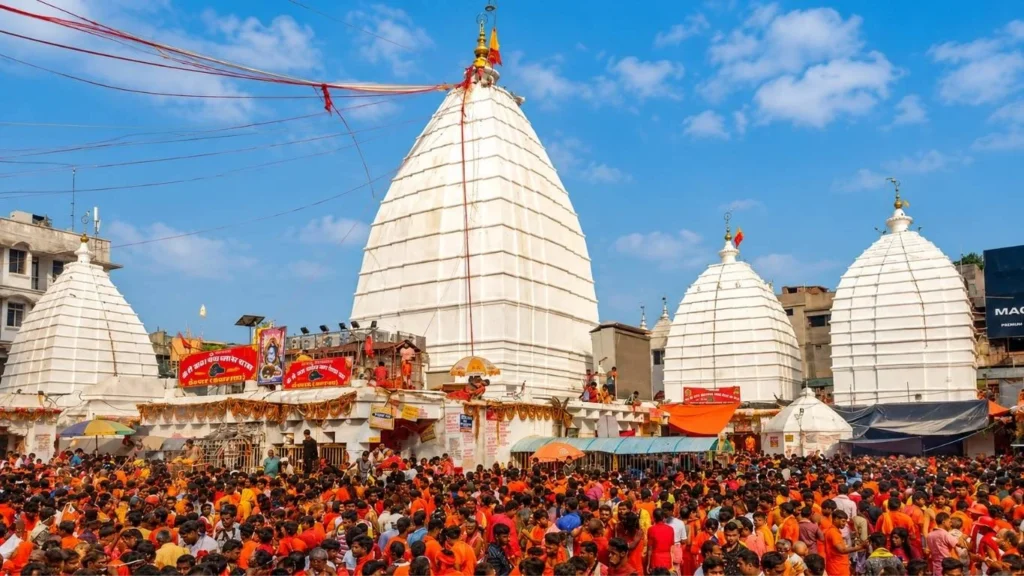
Vaidyanath Jyotirlinga, also known as Baba Baidyanath Dham, is one of the most sacred Shiva temples in eastern India. According to mythology, Ravana performed intense penance to please Lord Shiva and offered his heads one by one. Eventually, Lord Shiva became pleased with his unwavering devotion and appeared as a divine physician (Vaidya), thereby giving the temple its name.
Moreover, the temple is especially famous during the Shravani Mela, when millions of Kanwariyas carry holy water from Sultanganj to Deoghar, covering a distance of approximately 105 kilometers on foot. As a result, Baba Baidyanath Dham becomes one of the busiest pilgrimage destinations in India during the holy month of Shravan.
Furthermore, the temple complex houses several smaller shrines dedicated to various Hindu deities, creating a deeply spiritual atmosphere. In addition, devotees spend time offering prayers, participating in rituals, and seeking divine blessings throughout the complex. Overall, Vaidyanath Jyotirlinga offers a profound spiritual experience that combines mythology, devotion, and centuries-old religious traditions.
Highlights
- Known as Baba Baidyanath Dham
- Associated with Ravana’s devotion
- Famous Shravani Kanwar Yatra
- One of the most visited Shiva temples in eastern India
- Large temple complex with multiple shrines
Best Time to Visit
October to March offers comfortable weather, while Shravan attracts the largest number of devotees.
10. Nageshwar Jyotirlinga – Protector from Evil
Significance
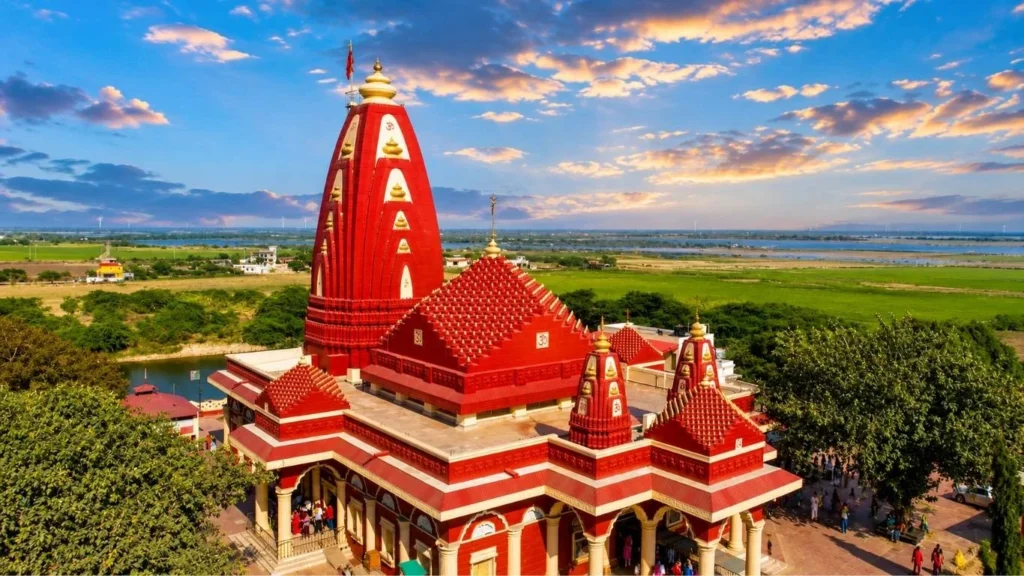
Located between Dwarka and Beyt Dwarka, Nageshwar Jyotirlinga is one of Gujarat’s most important Shiva temples and is counted among the 12 sacred Jyotirlingas in India. According to legend, Lord Shiva appeared here to rescue his devotee Supriya from the demon Daruka, symbolizing the victory of righteousness over evil. Therefore, devotees believe that worshipping at Nageshwar Jyotirlinga helps remove fear, negativity, and obstacles from life while bringing peace, strength, and divine protection.
Moreover, the temple is renowned for its towering statue of Lord Shiva, peaceful surroundings, and deeply spiritual atmosphere. In addition, the beautifully maintained temple complex provides a calm environment where pilgrims can offer prayers, meditate, and experience a sense of inner peace. As a result, thousands of devotees visit this sacred shrine throughout the year to seek Lord Shiva’s blessings.
Furthermore, many pilgrims combine their visit to Nageshwar Jyotirlinga with the famous Dwarkadhish Temple, Rukmini Devi Temple, and Beyt Dwarka, making it an important stop on Gujarat’s religious circuit. Consequently, this pilgrimage offers devotees an opportunity to explore several sacred destinations in a single journey while experiencing the rich spiritual heritage of Dwarka.
Overall, Nageshwar Jyotirlinga is not only a significant pilgrimage destination but also a symbol of unwavering faith, devotion, and the eternal power of Lord Shiva. Whether you are undertaking the complete Jyotirlinga Yatra or exploring Gujarat’s spiritual landmarks, this sacred temple promises a deeply enriching and memorable experience.
Highlights
- Associated with the legend of Demon Daruka
- Massive outdoor Shiva statue
- Close to Dwarkadhish Temple
- Peaceful coastal pilgrimage destination
- Important stop in Gujarat temple tours
Best Time to Visit
October to March is the most comfortable period for pilgrimage.
11. Rameshwaram Jyotirlinga – The Southern Abode of Lord Shiva
Significance
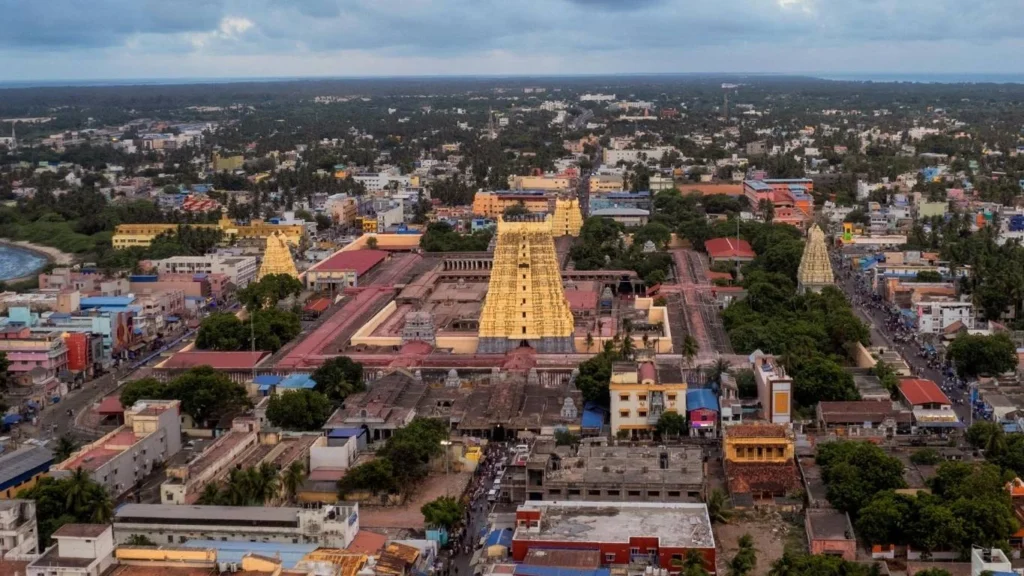
Rameshwaram Jyotirlinga is one of India’s most sacred pilgrimage destinations and forms an important part of the Char Dham Yatra. According to the Ramayana, Lord Rama worshipped Lord Shiva here before crossing the sea to Lanka to rescue Goddess Sita. Therefore, this sacred temple holds immense religious significance for both Shaivites and devotees of Lord Rama. As a result, millions of pilgrims visit Rameshwaram every year to seek divine blessings and spiritual fulfillment.
Moreover, the Ramanathaswamy Temple is renowned for its magnificent corridors, intricately carved pillars, and 22 sacred theerthams (holy water wells), where pilgrims perform ritual bathing before offering prayers. In addition, the temple showcases remarkable Dravidian architecture, reflecting the rich cultural and artistic heritage of South India. Consequently, visitors not only experience deep devotion but also admire one of India’s finest examples of temple craftsmanship.
Furthermore, located on the scenic Pamban Island, Rameshwaram beautifully combines spiritual significance with breathtaking coastal scenery. Besides visiting the temple, pilgrims often explore nearby attractions such as Agni Theertham, Dhanushkodi, Pamban Bridge, and Gandhamadhana Parvatham, making the journey even more memorable. Overall, Rameshwaram offers a perfect blend of faith, history, architecture, and natural beauty, making it one of the most cherished pilgrimage destinations in India.
Highlights
- Part of the Char Dham pilgrimage
- Connected with Lord Rama and the Ramayana
- Famous for 22 sacred wells
- Longest temple corridor in India
- Scenic island destination
Best Time to Visit
October to April provides pleasant weather for temple visits.
12. Grishneshwar Jyotirlinga – The Final Jyotirlinga
Significance
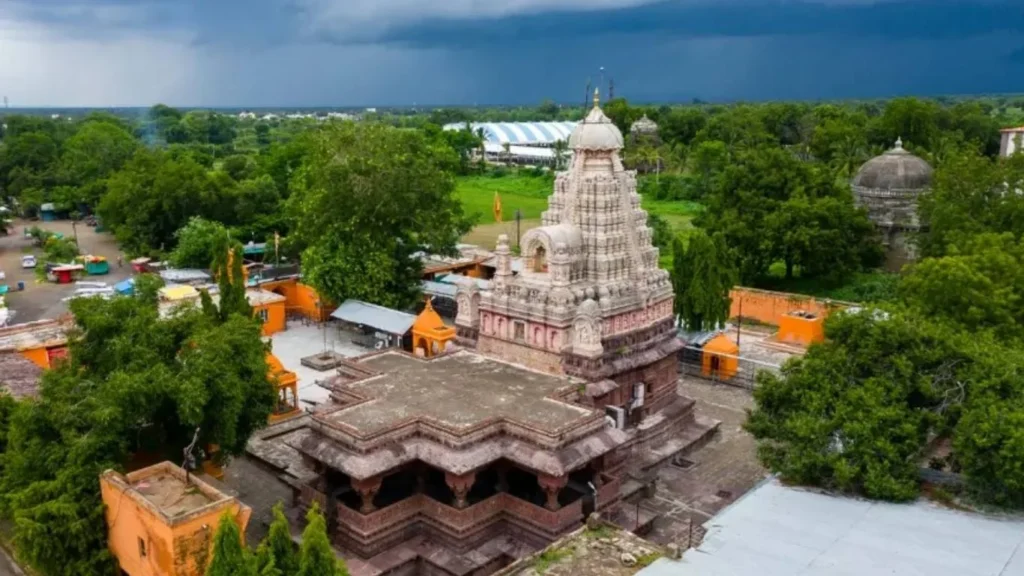
Grishneshwar Jyotirlinga is the twelfth and final Jyotirlinga and is located near the UNESCO World Heritage Site of the Ellora Caves in Maharashtra. According to legend, a devoted woman named Ghushma worshipped Lord Shiva with unwavering faith and deep devotion. Eventually, Lord Shiva became pleased with her sincere prayers and appeared here as Grishneshwar, thereby making this temple one of the holiest shrines dedicated to Lord Shiva.
Moreover, the temple is admired for its beautifully carved red sandstone architecture, intricate sculptures, and peaceful atmosphere. In addition, its traditional design reflects the rich heritage of medieval Indian temple architecture, attracting both pilgrims and history enthusiasts. As a result, devotees experience not only spiritual fulfillment but also an appreciation for India’s remarkable architectural craftsmanship.
Furthermore, many visitors combine their pilgrimage with a visit to the nearby Ellora Caves, a UNESCO World Heritage Site renowned for its magnificent rock-cut temples, monasteries, and ancient carvings. Consequently, the journey offers a unique blend of spirituality, history, culture, and art. Overall, Grishneshwar Jyotirlinga stands as a symbol of unwavering devotion and divine grace, making it one of Maharashtra’s most rewarding spiritual and cultural destinations.
Highlights
- Twelfth and final Jyotirlinga
- Located near Ellora Caves
- Beautiful red sandstone architecture
- Rich mythological significance
- Ideal combination of spirituality and heritage
Best Time to Visit
October to March is the best time to visit due to pleasant weather.
Best Time to Visit the 12 Jyotirlingas
Although the Jyotirlingas welcome devotees throughout the year, choosing the right season can make your pilgrimage more comfortable and spiritually fulfilling.
October to March (Recommended)
- Pleasant weather across most destinations
- Ideal for temple visits and sightseeing
- Comfortable for older adults, families, and group travelers.
- Perfect for completing multiple Jyotirlingas in one journey
April to June
- Suitable for Himalayan destinations like Kedarnath
- High temperatures in western and central India
- Advance hotel booking is recommended due to summer vacations
July to September
- Monsoon transforms many temple towns into lush green landscapes
- Maharashtra Jyotirlingas are especially scenic
- Heavy rainfall may affect road conditions in some regions
Note: Kedarnath Temple generally remains open from May to October, depending on weather conditions and temple committee announcements.
How to Plan Your 12 Jyotirlinga Yatra
Planning the complete Jyotirlinga pilgrimage requires careful preparation due to the wide geographical spread of the temples across India.
Choose the Right Duration
- 12–15 Days: Cover selected regional Jyotirlingas.
- 18–25 Days: Complete all 12 Jyotirlingas comfortably.
- 25+ Days: Ideal for devotees who wish to spend more time at each temple.
Decide Your Travel Mode
- By Flight for long-distance travel.
- By Train for economical journeys.
- By Road for regional temple circuits.
Book Accommodation in Advance
Reserve hotels well before your travel dates, especially during:
- Mahashivratri
- Shravan Month
- Kartik Month
- Long weekends and holidays
Include Nearby Pilgrimage Sites
Combine your Jyotirlinga tour with other sacred destinations such as:
- Shirdi
- Trimbakeshwar
- Omkareshwar
- Ujjain
- Dwarka
- Rameswaram
- Varanasi
- Char Dham (if planning an extended pilgrimage)
Essential Travel Tips for Pilgrims
- Carry a valid photo ID during your journey.
- Wear modest and comfortable clothing suitable for temple visits.
- Start your temple visits early in the morning to avoid long queues.
- Respect local customs, traditions, and temple rules.
- Carry basic medicines and reusable water bottles.
- Keep cash available, as smaller vendors may not accept digital payments.
- Follow photography restrictions inside temple premises.
- Stay hydrated, especially during summer travel.
- Carry warm clothing if visiting Kedarnath or other Himalayan regions.
- Book VIP or special darshan only through official temple authorities, where available.
Festivals Associated with the Jyotirlingas
Many devotees prefer visiting during major Hindu festivals to experience grand celebrations.
- Mahashivratri – Celebrated at all Jyotirlingas with special rituals and night-long prayers.
- Shravan Month – One of the busiest periods for Lord Shiva devotees.
- Nag Panchami – Special worship at several Shiva temples.
- Kartik Purnima – Important celebrations at many pilgrimage destinations.
- Kanwar Yatra – Particularly significant at Vaidyanath Dham.
Frequently Asked Questions (FAQs)
1. What are the 12 Jyotirlingas?
The 12 Jyotirlingas are the holiest temples dedicated to Lord Shiva, located across different states of India. Each represents a divine manifestation of Lord Shiva.
2. How many days are required to complete the 12 Jyotirlinga Yatra?
A well-planned pilgrimage generally requires 18 to 25 days, depending on the itinerary and mode of transport.
3. Which is the first Jyotirlinga?
Somnath Jyotirlinga in Gujarat is traditionally regarded as the first Jyotirlinga.
4. Which Jyotirlinga is located in the Himalayas?
Kedarnath Jyotirlinga in Uttarakhand is situated in the Garhwal Himalayas.
5. Which state has the highest number of Jyotirlingas?
Maharashtra has five Jyotirlingas:
- Bhimashankar
- Trimbakeshwar
- Grishneshwar
- Aundha Nagnath (often associated by some traditions but not counted among the canonical 12)
- (Note: Among the canonical 12, Maharashtra has three: Bhimashankar, Trimbakeshwar, and Grishneshwar.)
6. Which is the most visited Jyotirlinga?
Kashi Vishwanath, Mahakaleshwar, Kedarnath, and Somnath are among the most visited Jyotirlingas in India.
7. Can older adults complete the Jyotirlinga Yatra?
Yes. With proper planning, comfortable transportation, suitable accommodation, and necessary medical precautions, older adults can comfortably complete the Jyotirlinga Yatra. Many tour operators also offer customized itineraries with a relaxed pace, making the pilgrimage more convenient and enjoyable.
8. Is photography allowed inside the temples?
Photography is generally prohibited inside the sanctum of most Jyotirlinga temples. Visitors should follow the temple authorities’ guidelines.
9. What is the best season for the Jyotirlinga Yatra?
October to March is generally considered the best time, except Kedarnath, which is open only during its pilgrimage season.
10. Can I book a customized Jyotirlinga tour package?
Yes. Customized pilgrimage packages allow travelers to choose destinations, travel duration, accommodation, transportation, and sightseeing according to their preferences.
Why Choose Vaibhav Tourism Services Pvt. Ltd.?
Planning a pilgrimage across multiple states requires careful coordination and reliable support. With over 26 years of experience, Vaibhav Tourism Services Pvt. Ltd. (VTSPL) specializes in professionally managed spiritual and cultural tours across India.
Our Jyotirlinga tour packages include:
- Customized itineraries
- Comfortable accommodation
- Private transportation
- Experienced drivers
- Temple sightseeing
- Flexible travel plans
- Group and family tours
- Dedicated travel assistance throughout the journey
Whether you wish to visit one Jyotirlinga or complete the entire pilgrimage circuit, our team ensures a seamless and memorable travel experience.
Conclusion
The 12 Jyotirlingas in India represent the timeless devotion, faith, and spiritual heritage of Hinduism. Each temple has its own unique legend, architectural beauty, and sacred traditions, making every visit a deeply enriching experience.
Whether you seek spiritual blessings, wish to explore India’s ancient temple architecture, or plan a complete Jyotirlinga pilgrimage, this sacred journey offers unforgettable moments of faith and self-discovery.
With proper planning and the guidance of an experienced tour operator, you can enjoy a comfortable and meaningful pilgrimage while experiencing the cultural richness of India’s most revered Shiva temples.
If you are planning a 12 Jyotirlinga Tour Package or a customized temple pilgrimage across India, Vaibhav Tourism Services Pvt. Ltd. is here to help you design a journey that matches your travel preferences, schedule, and budget.