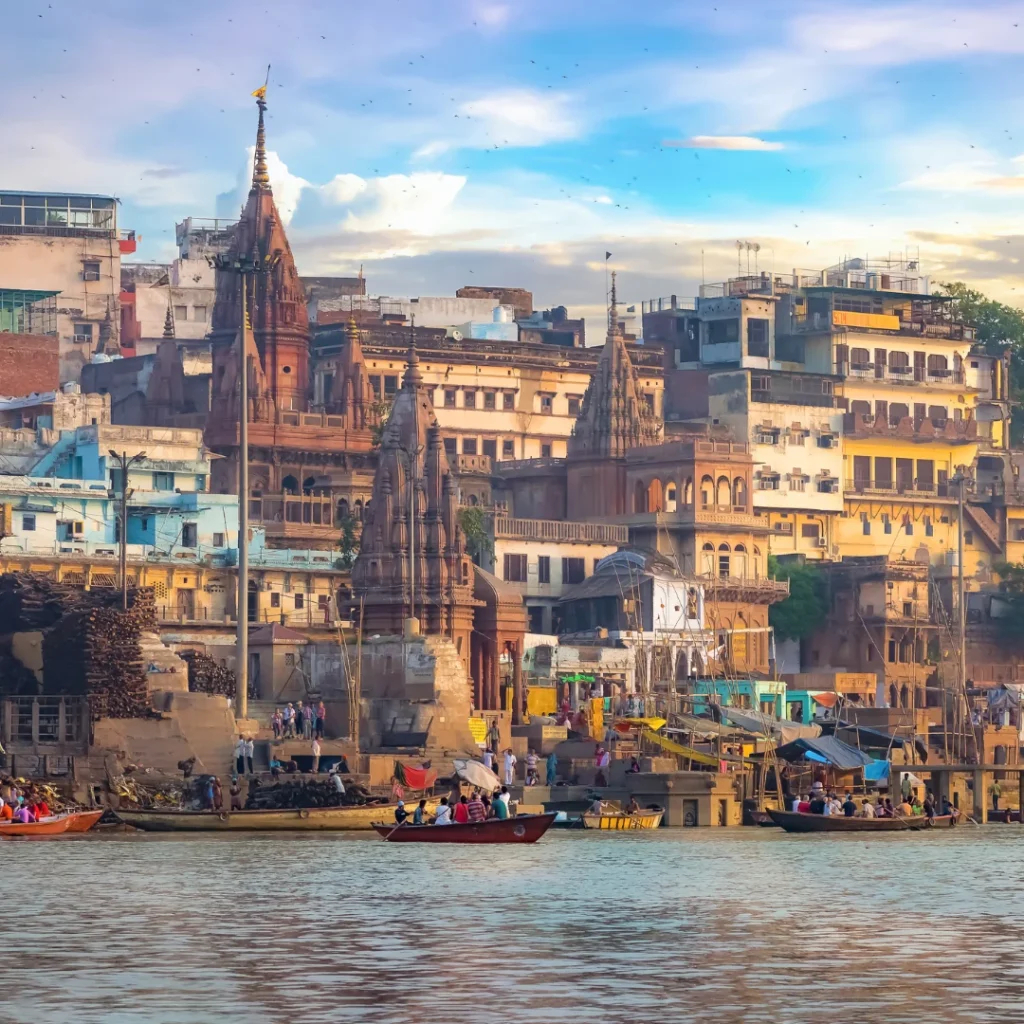
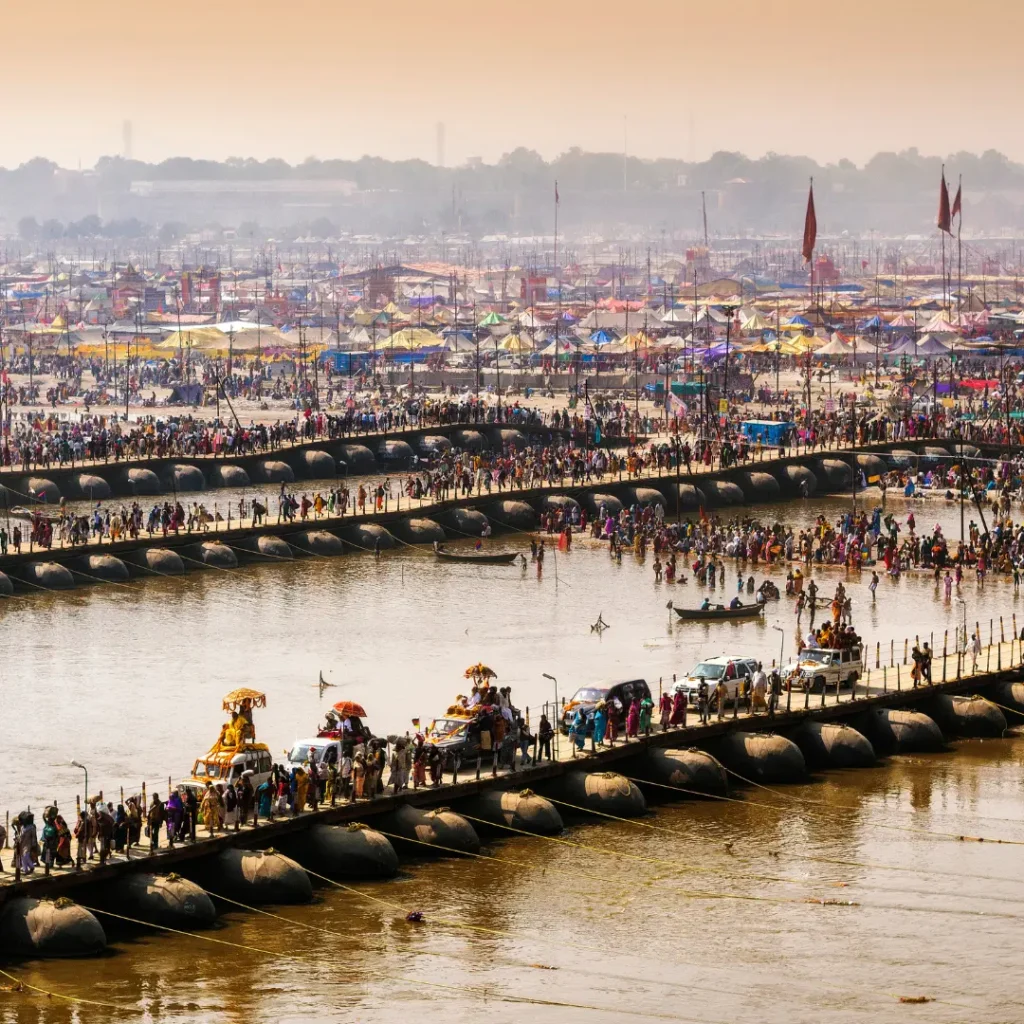
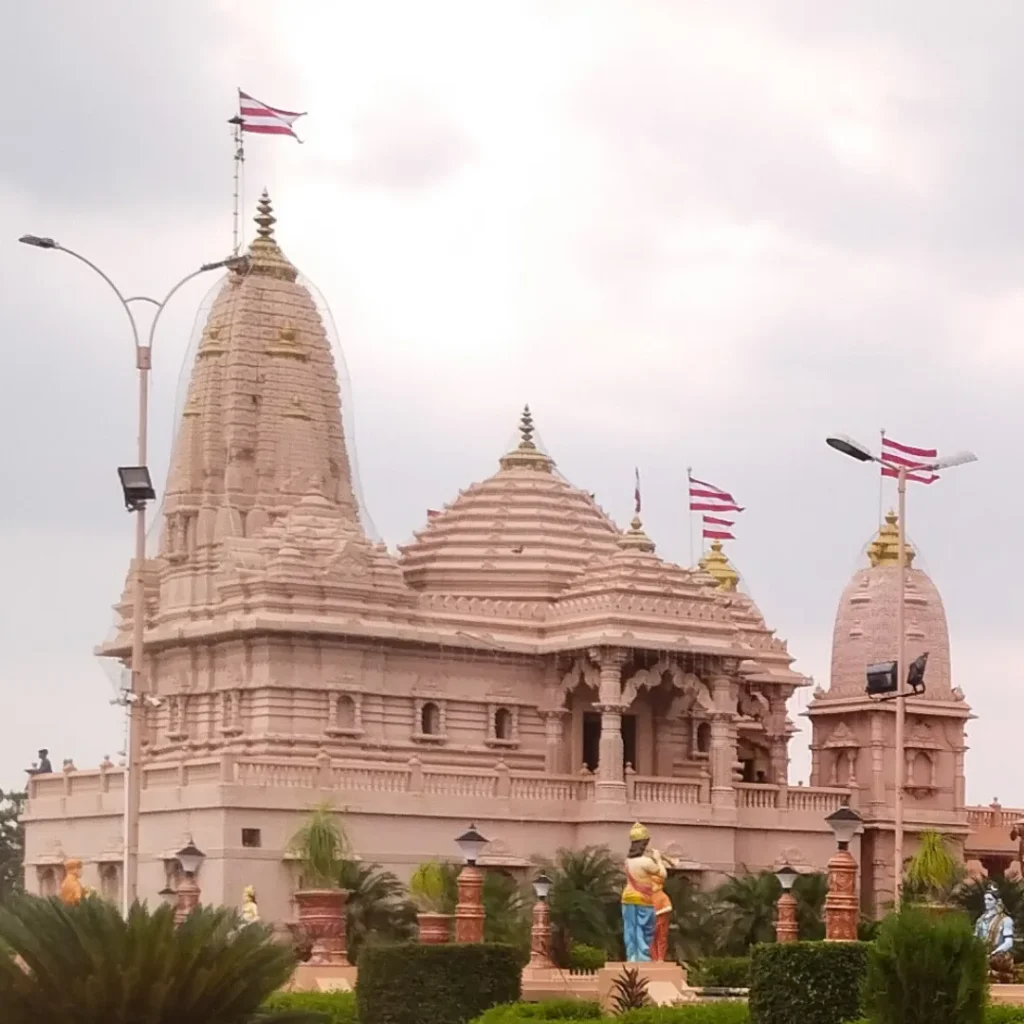
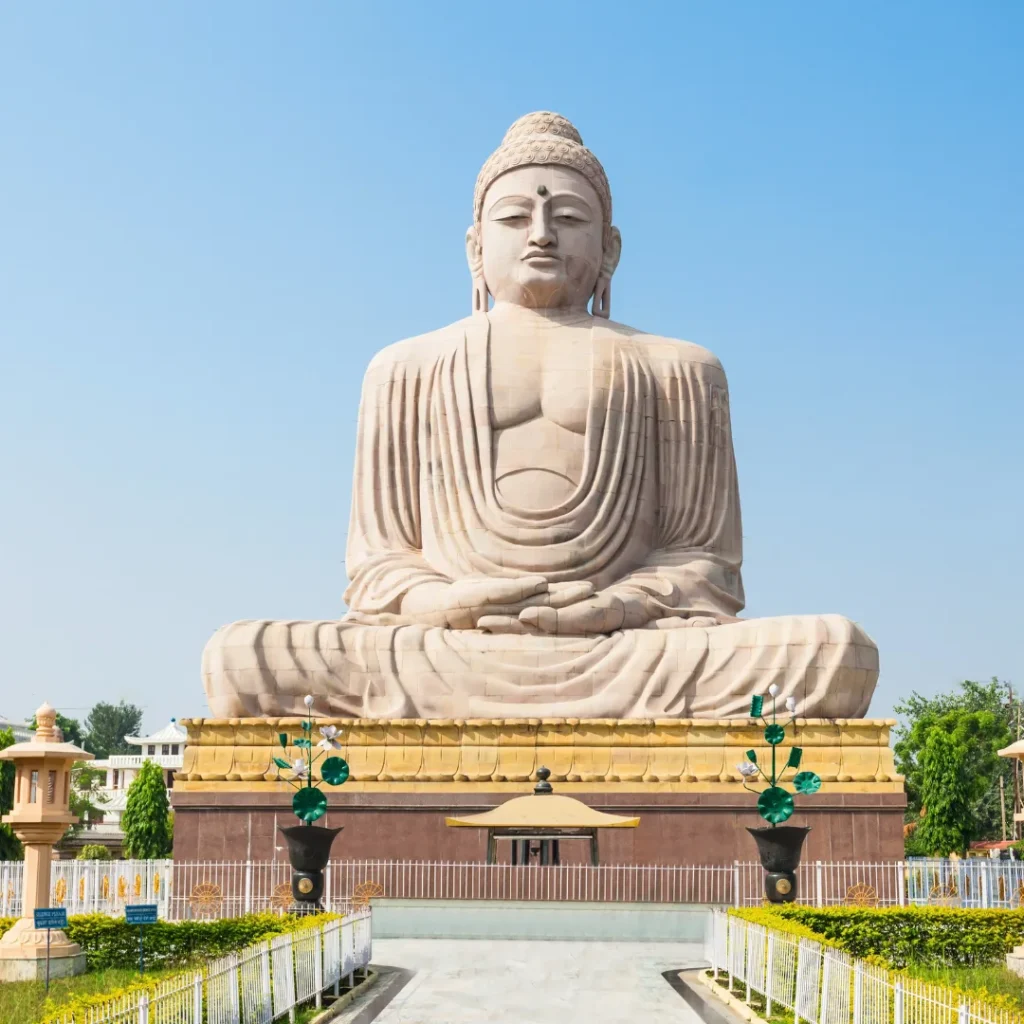
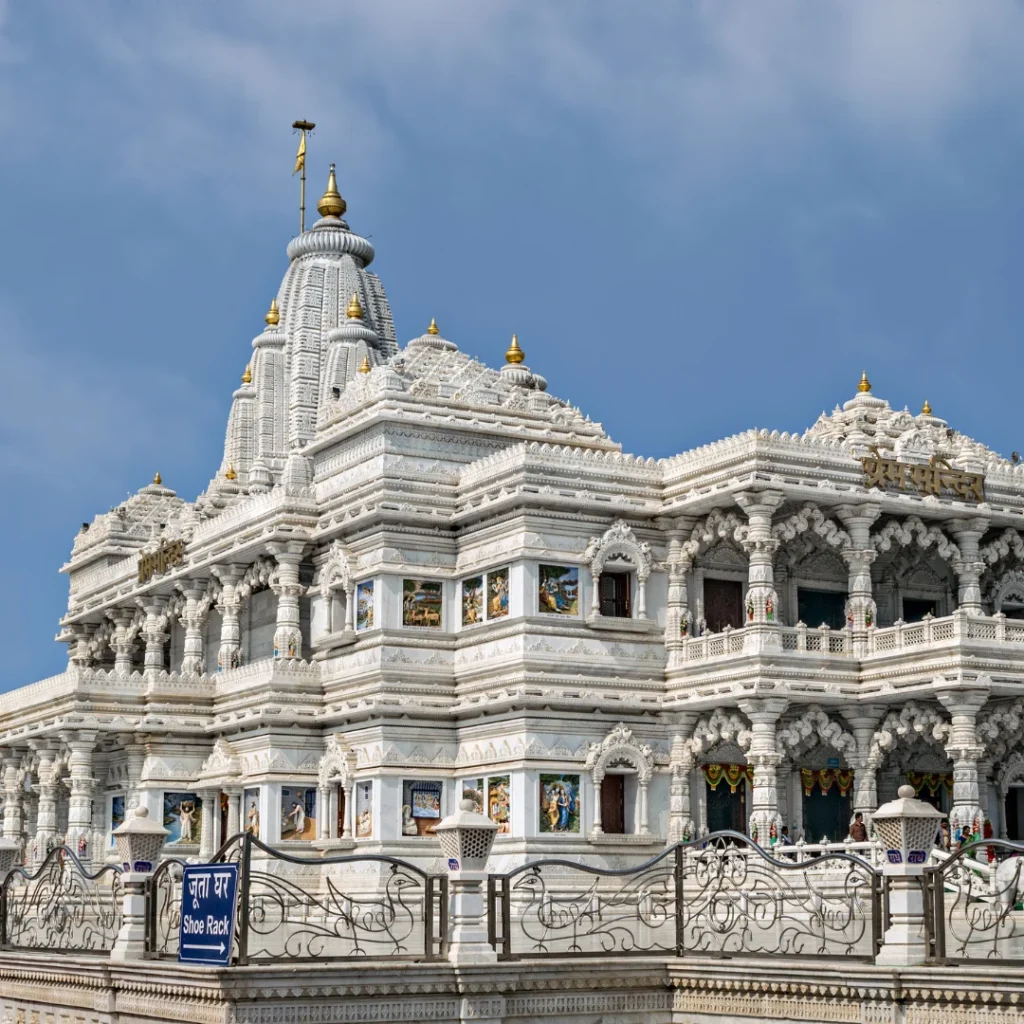
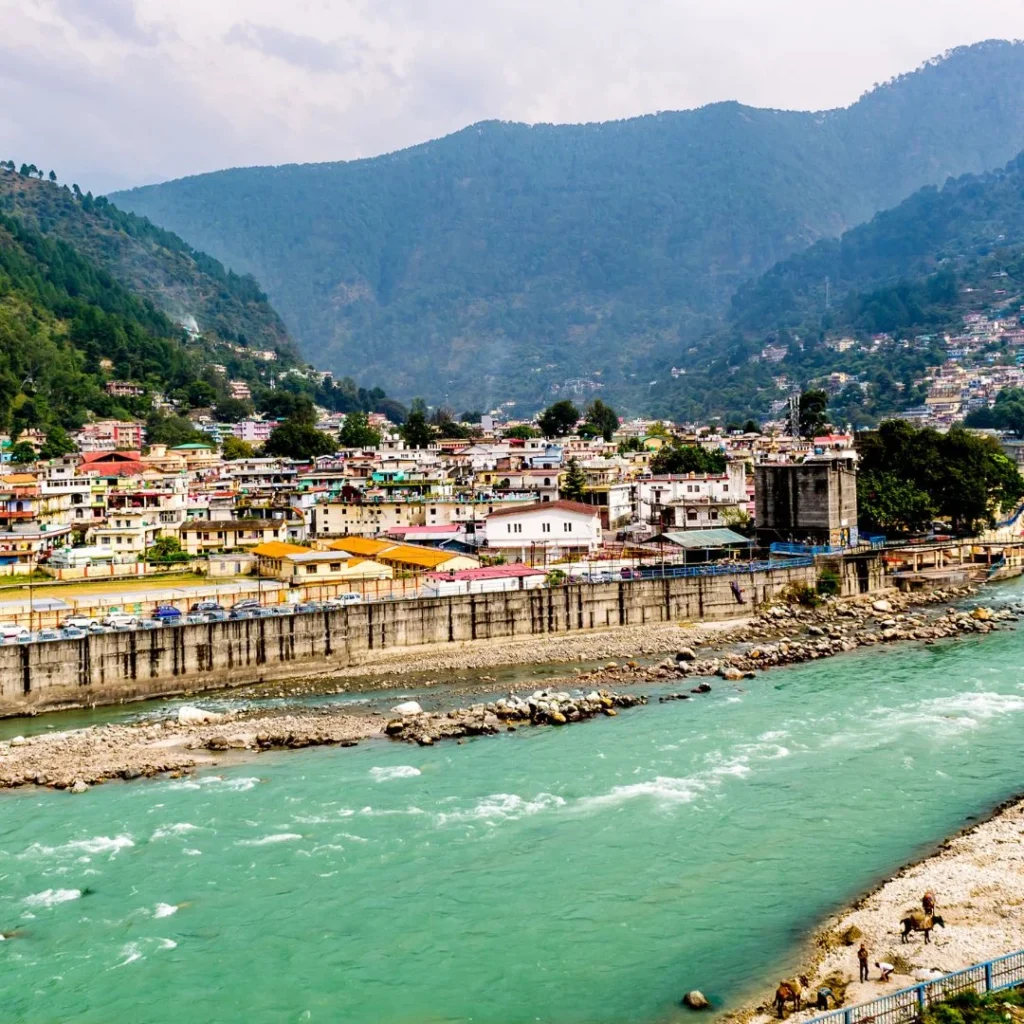
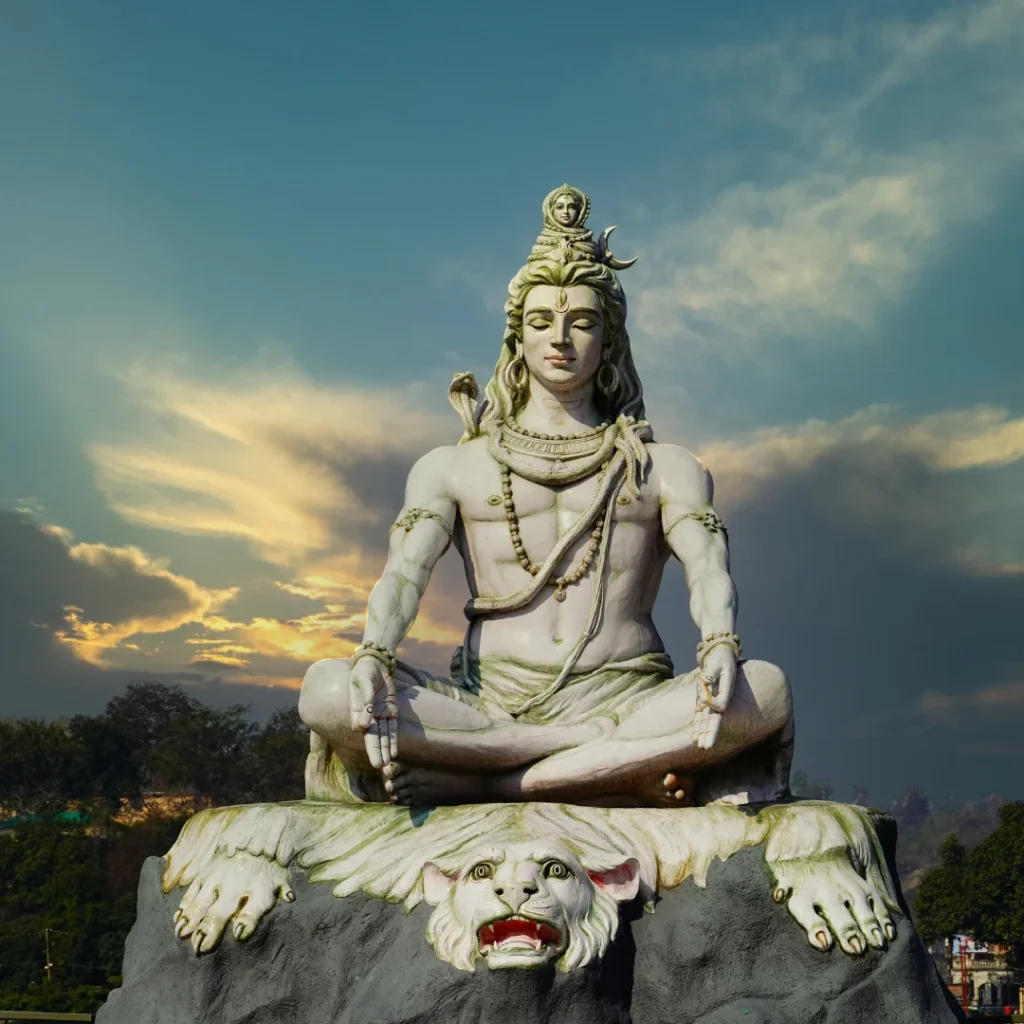
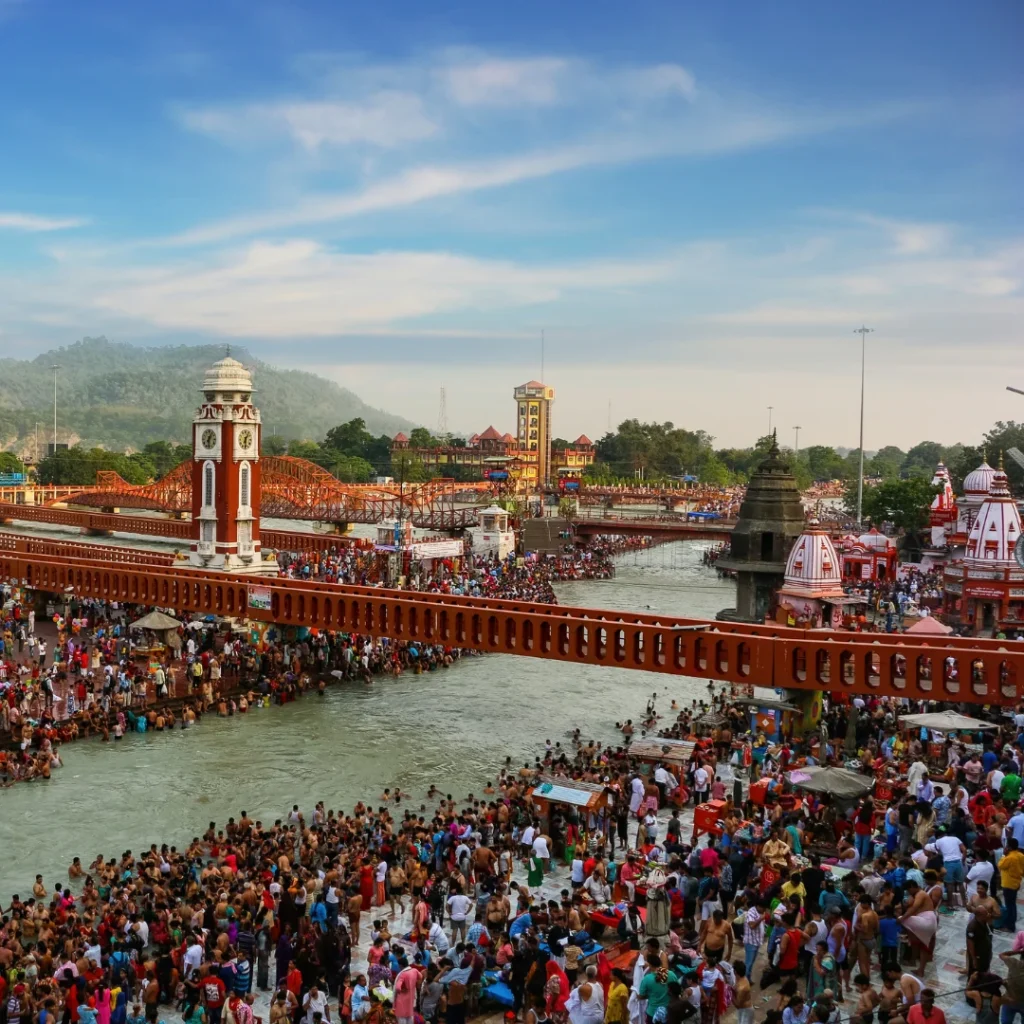
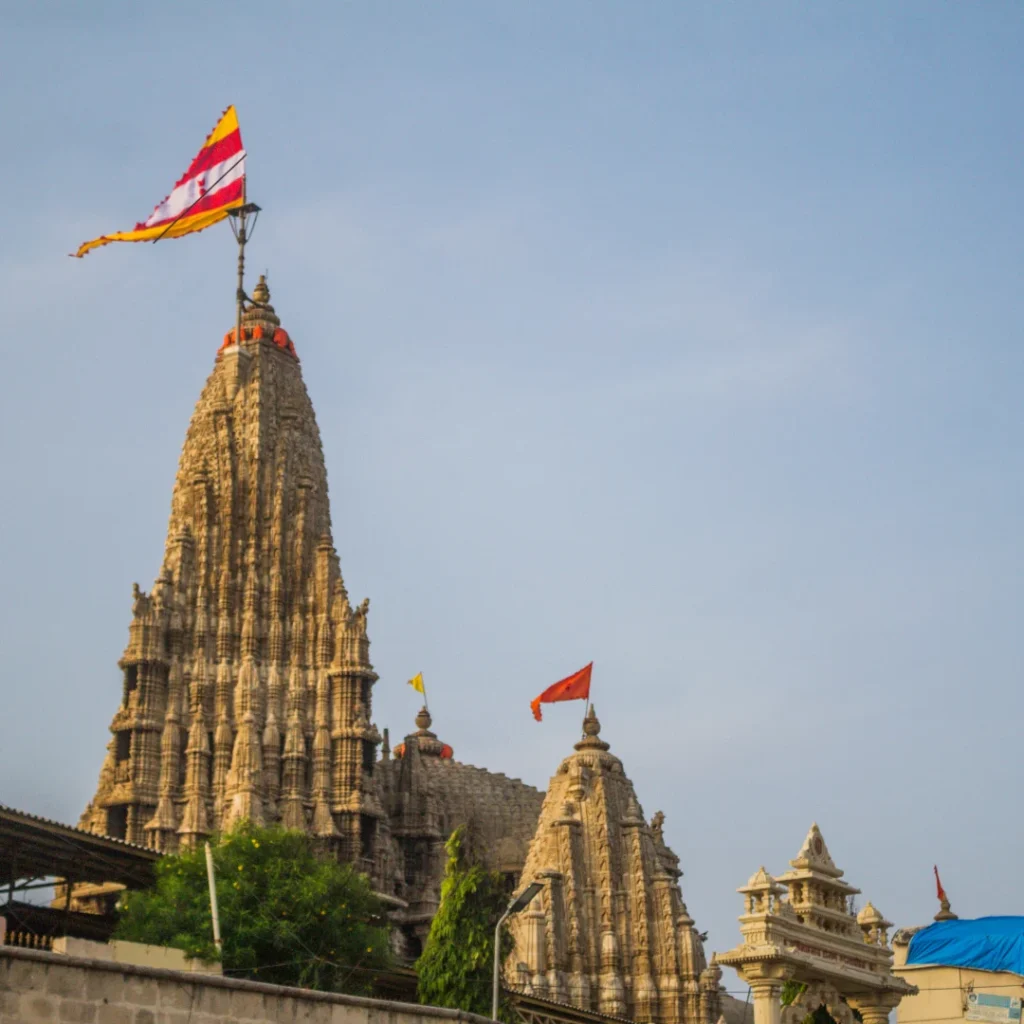
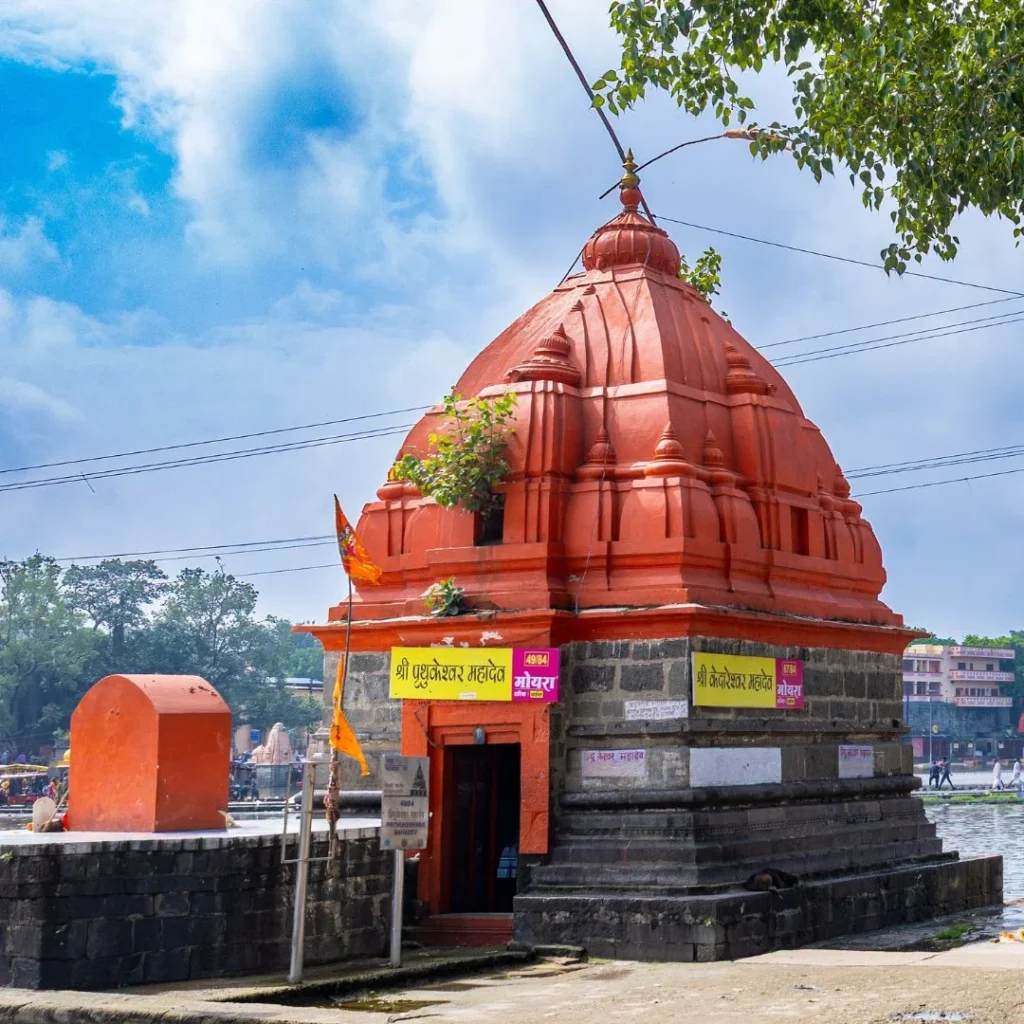
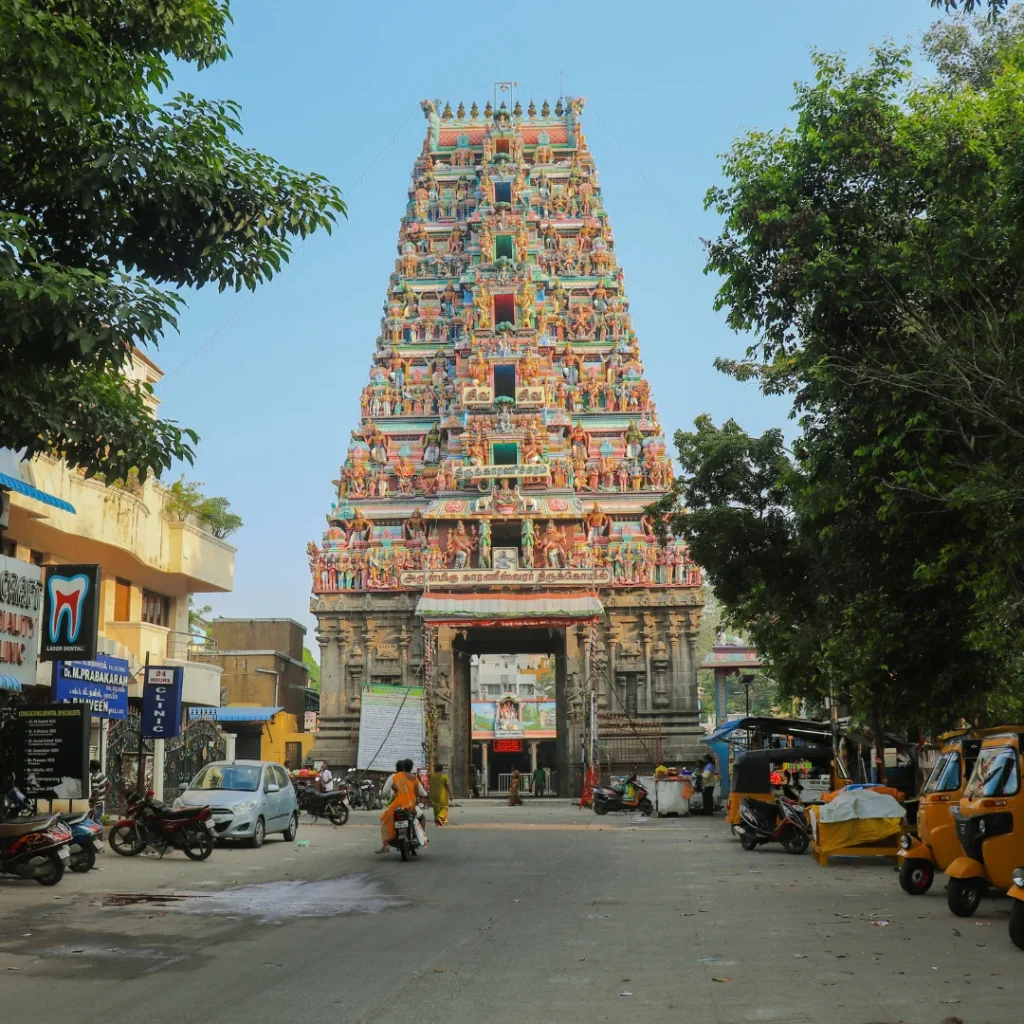
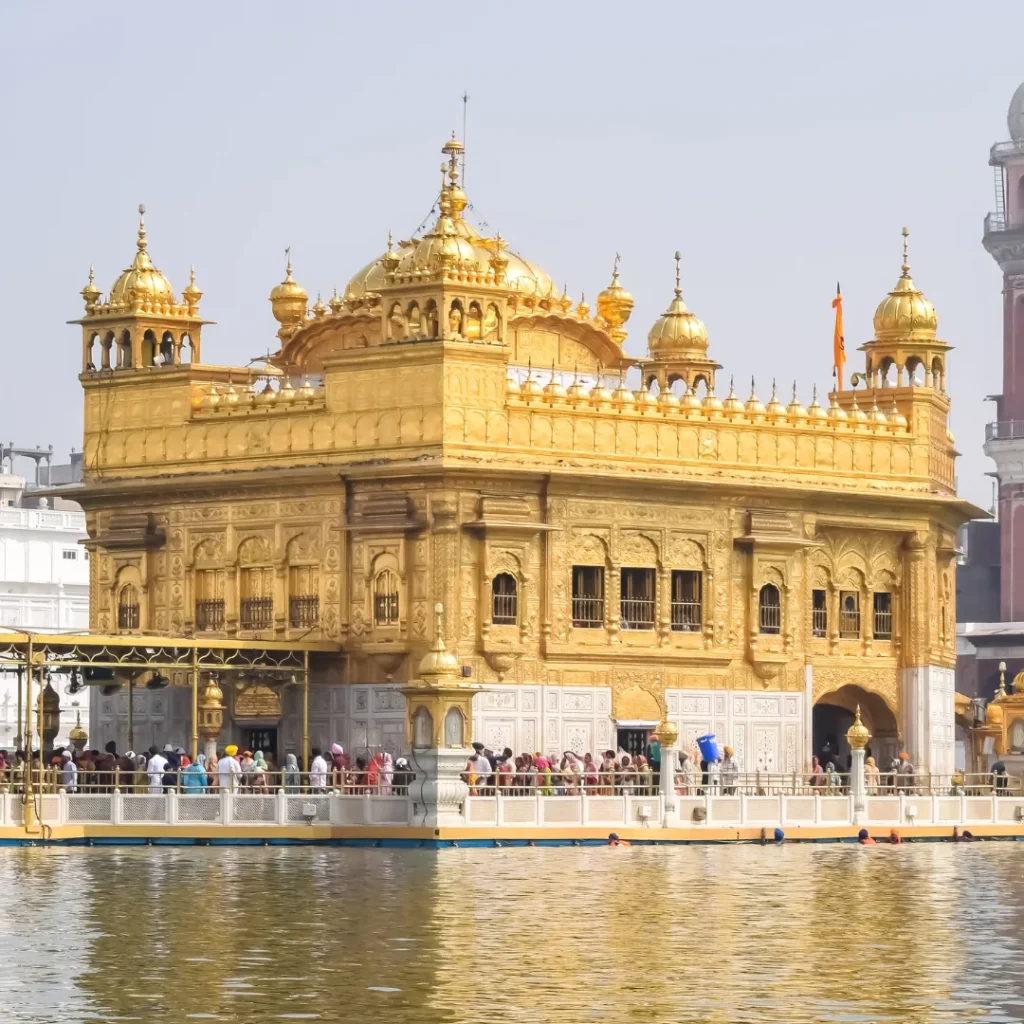
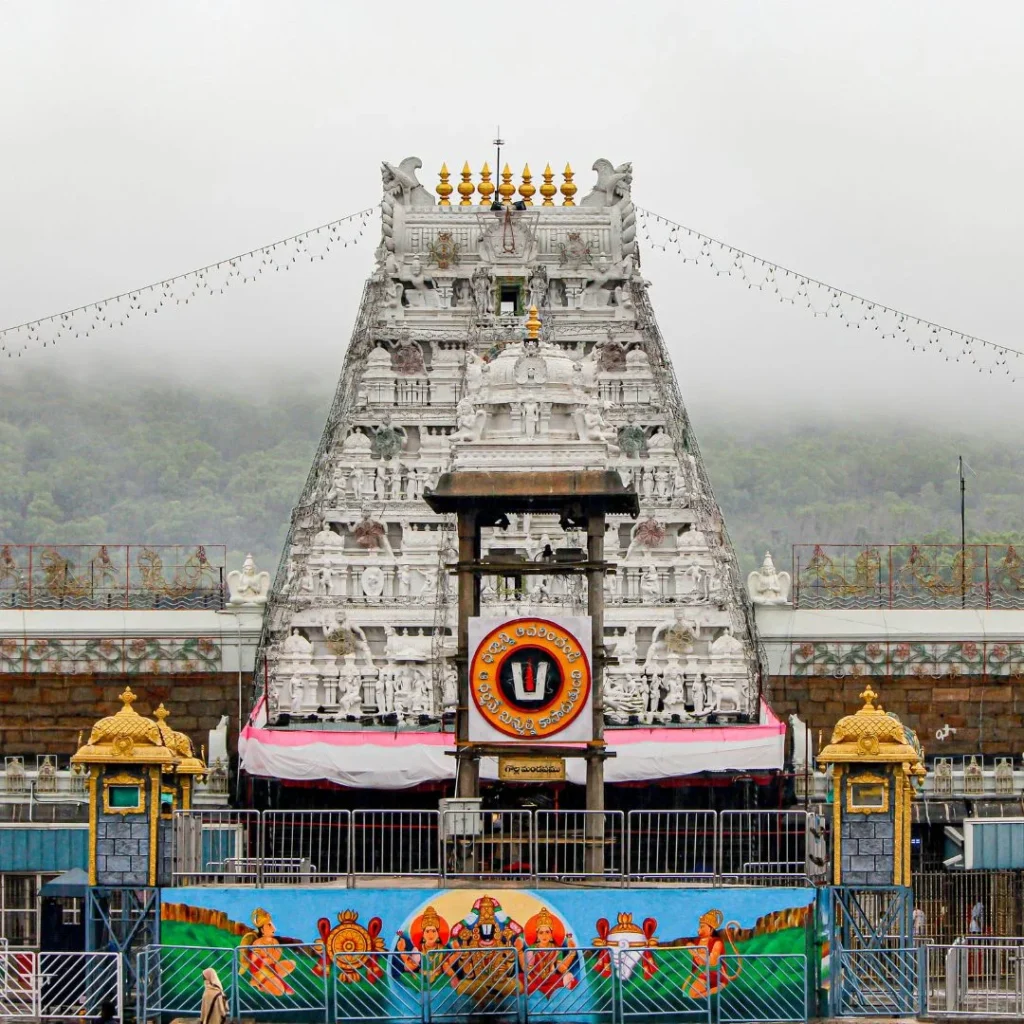
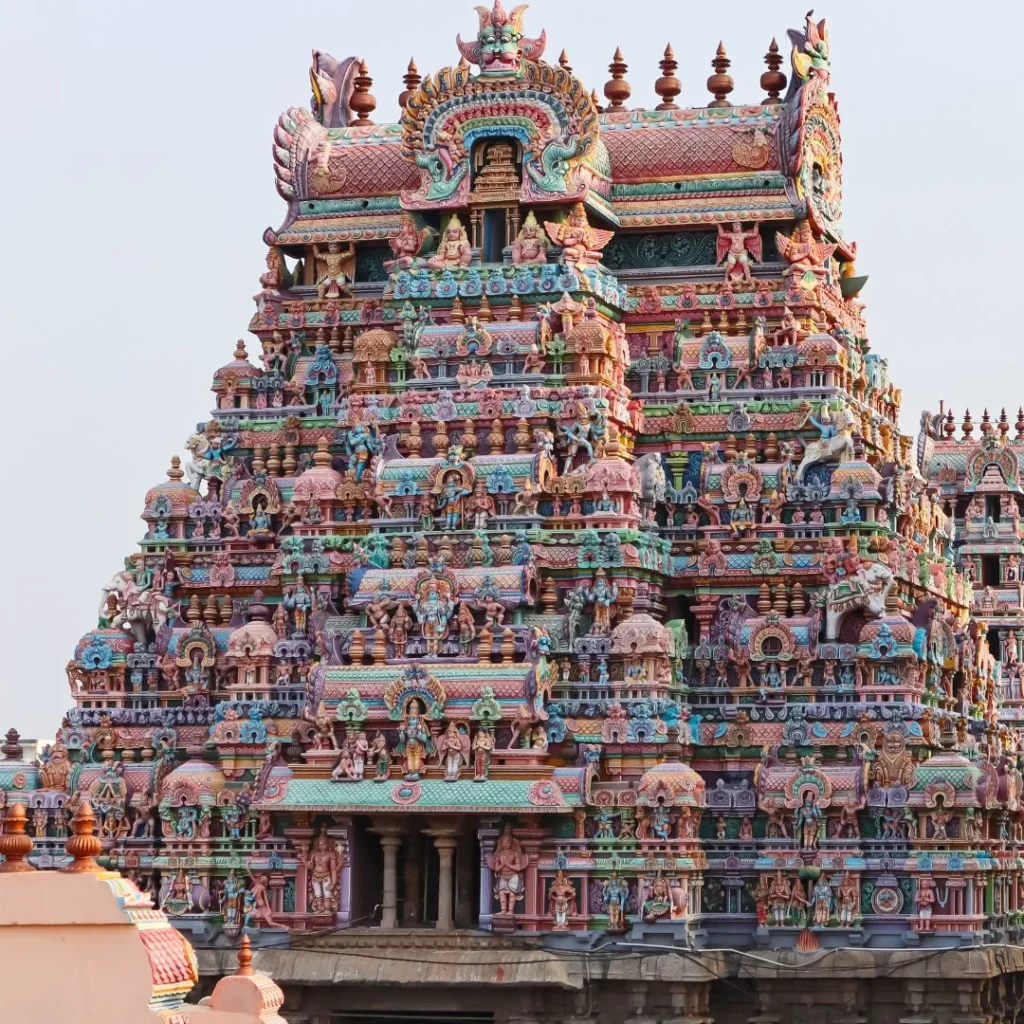
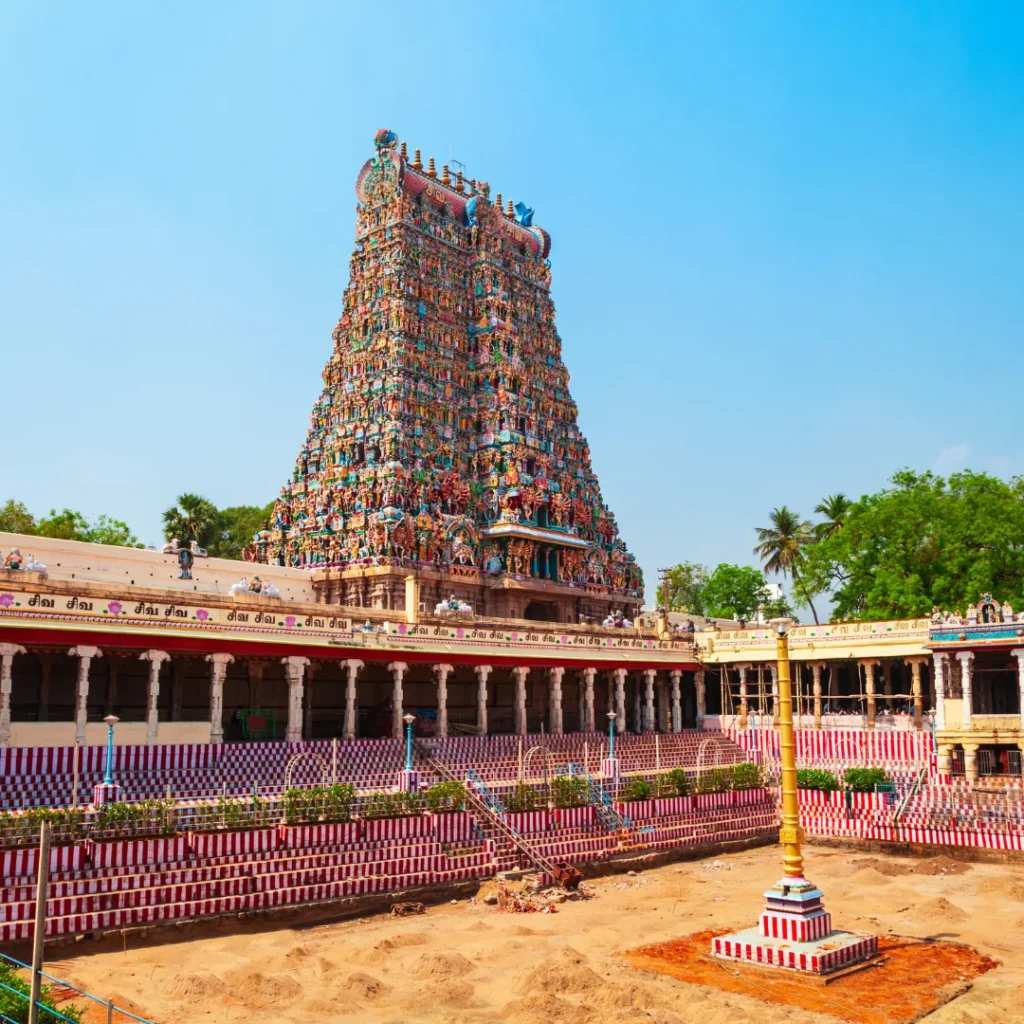
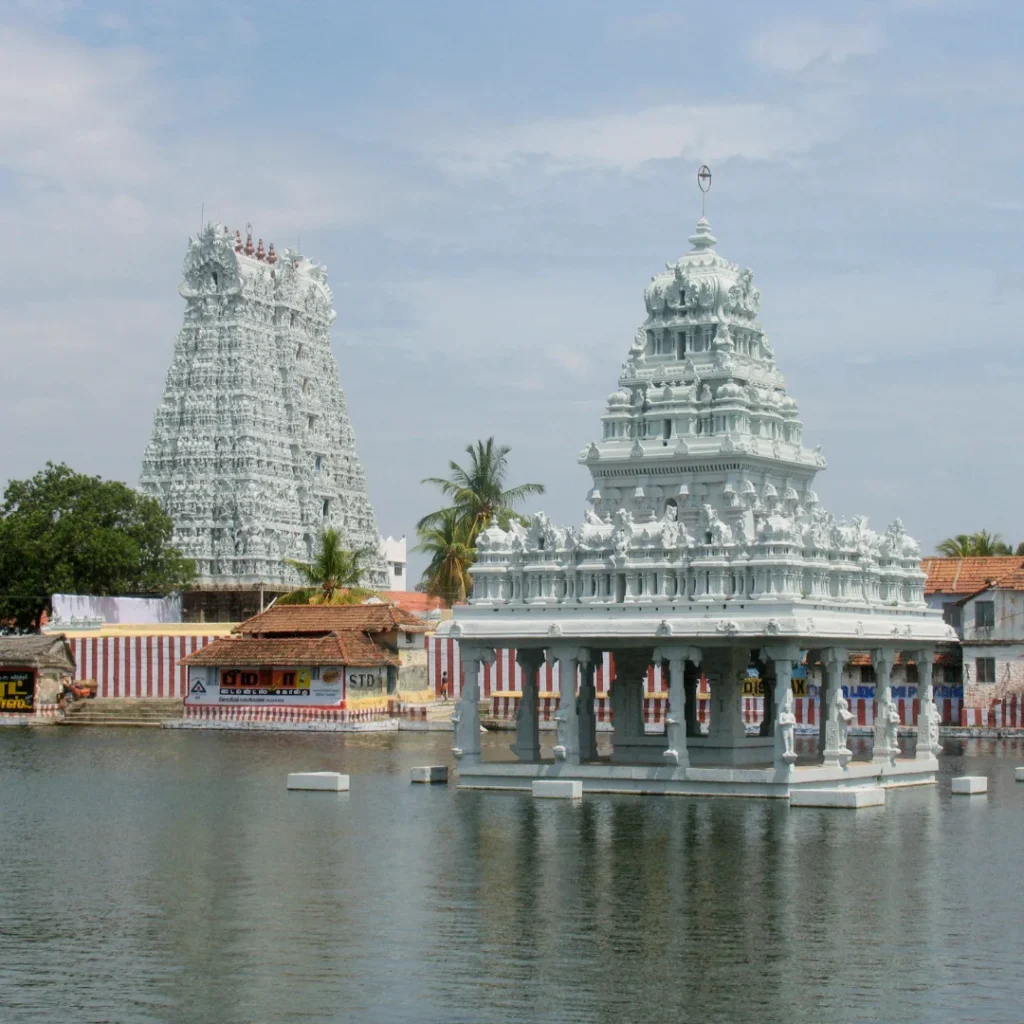
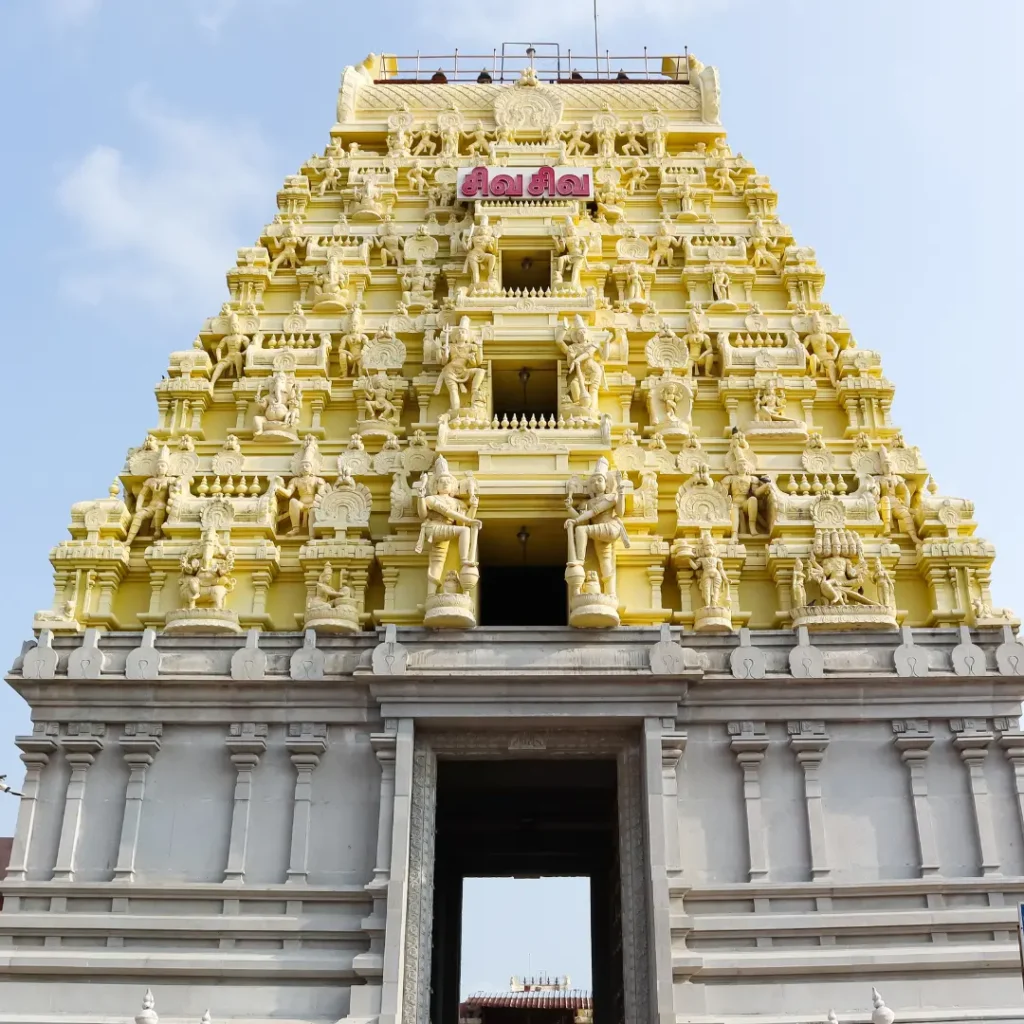
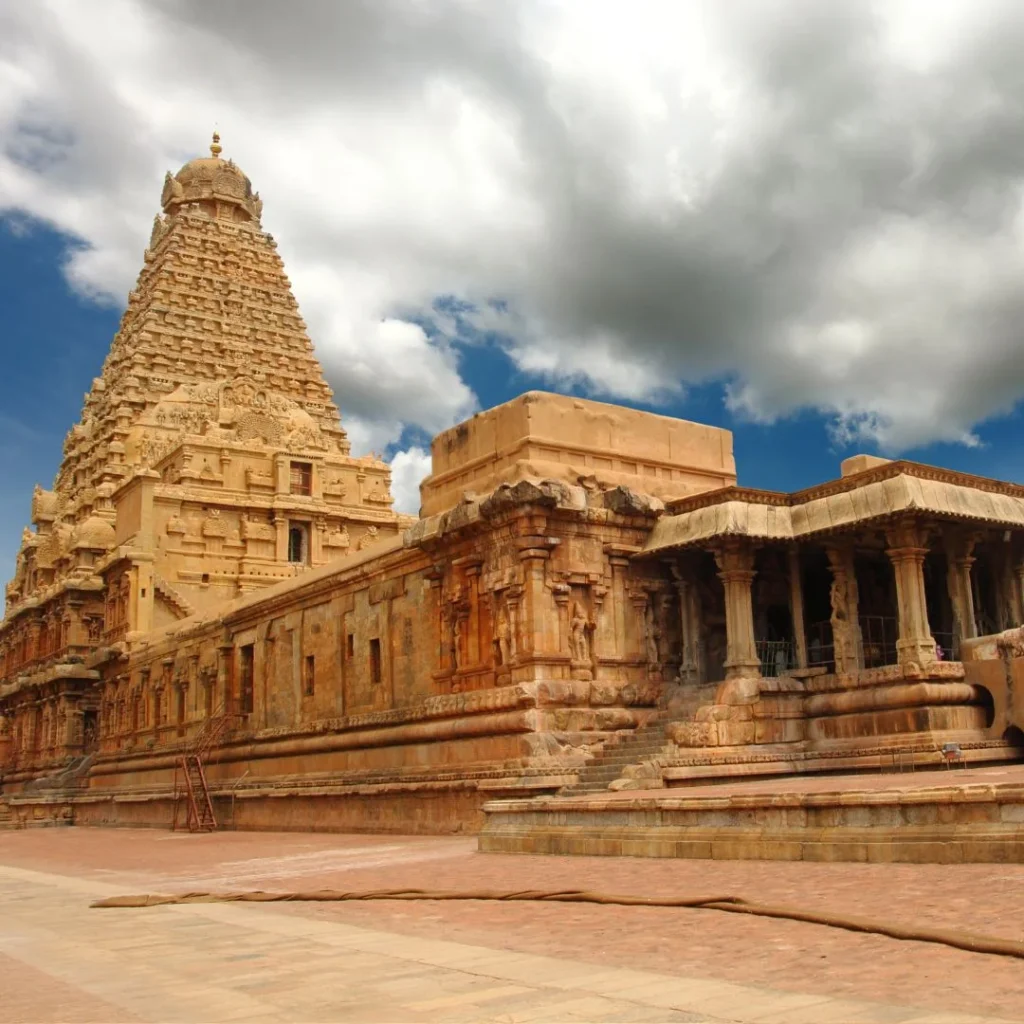
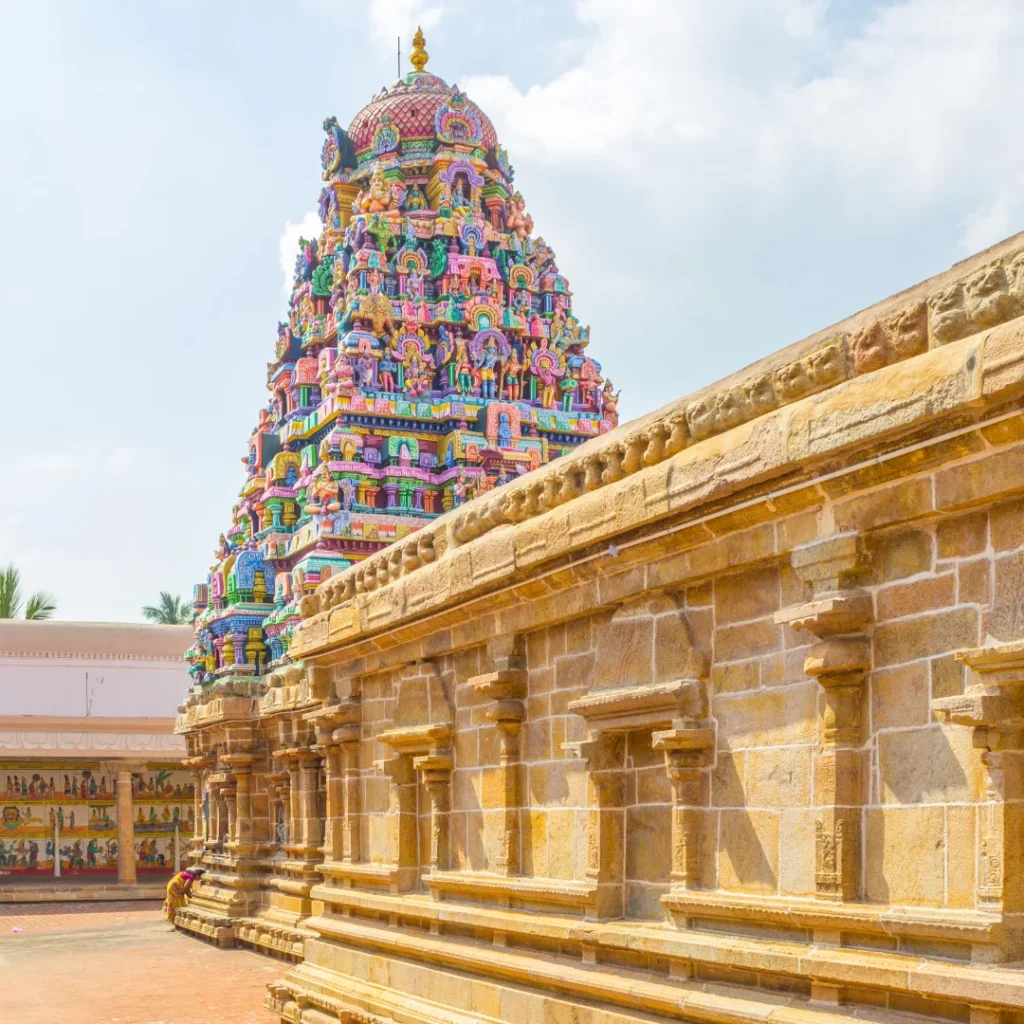
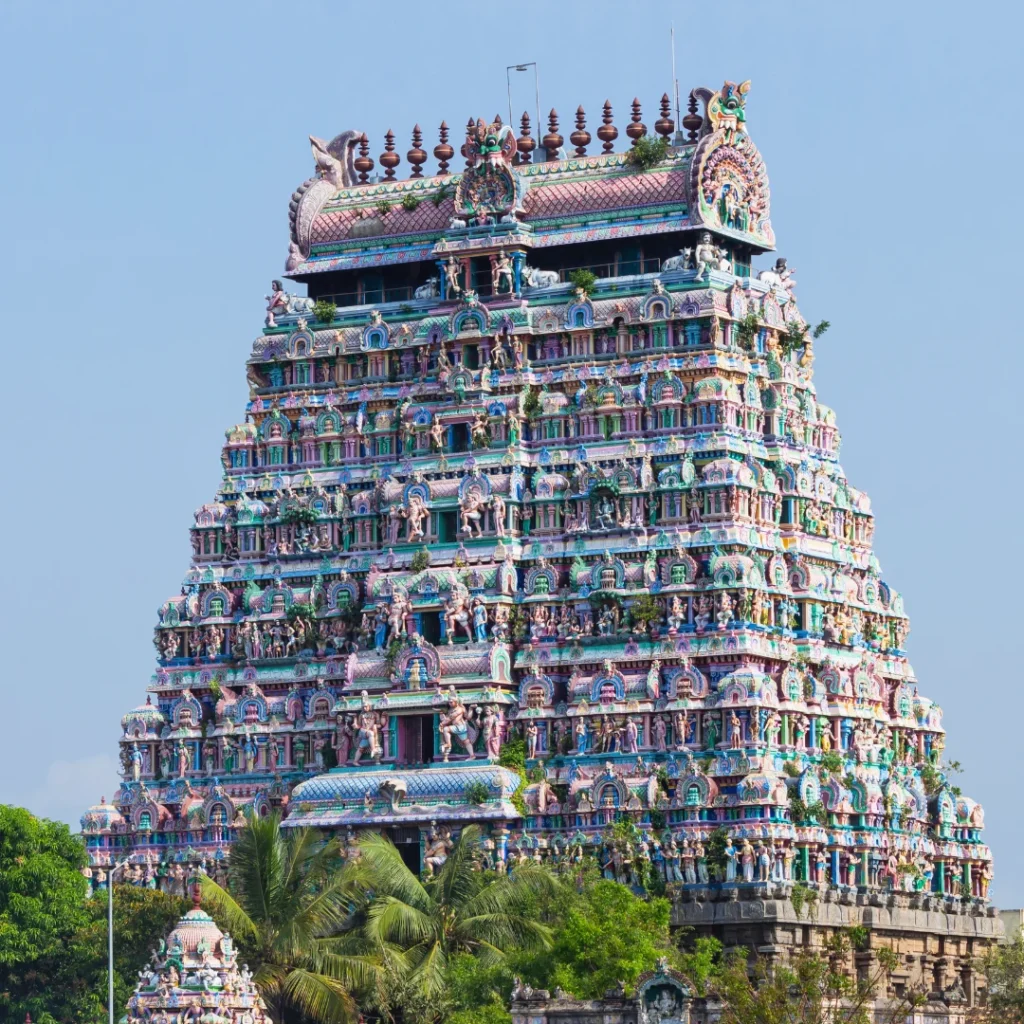
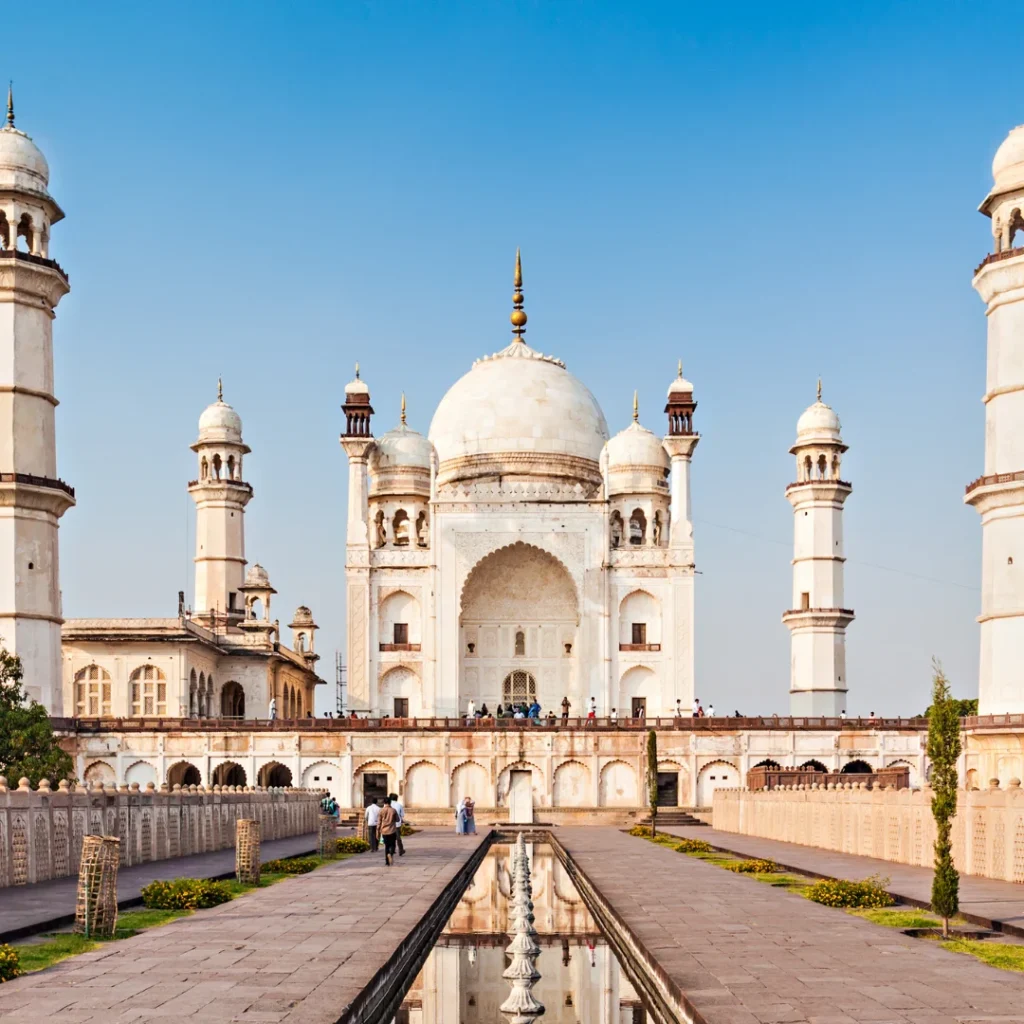
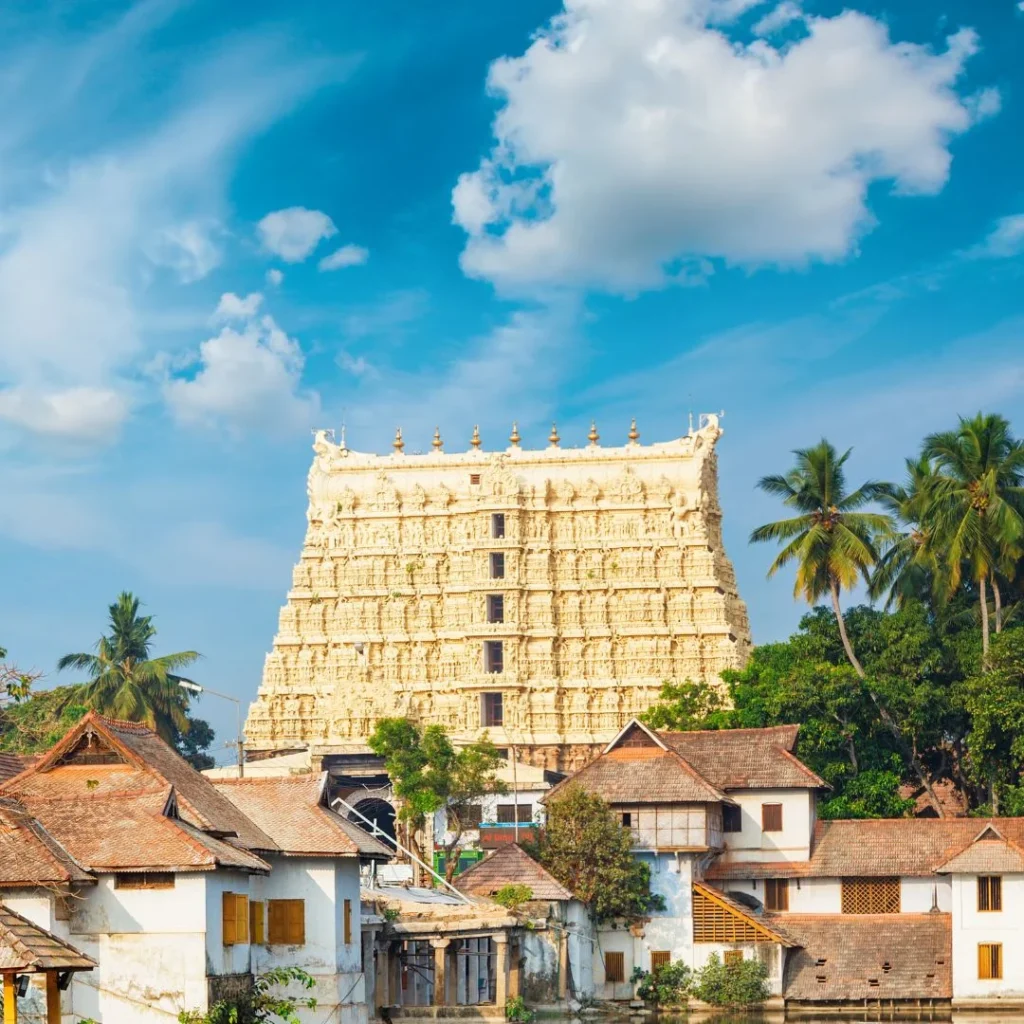
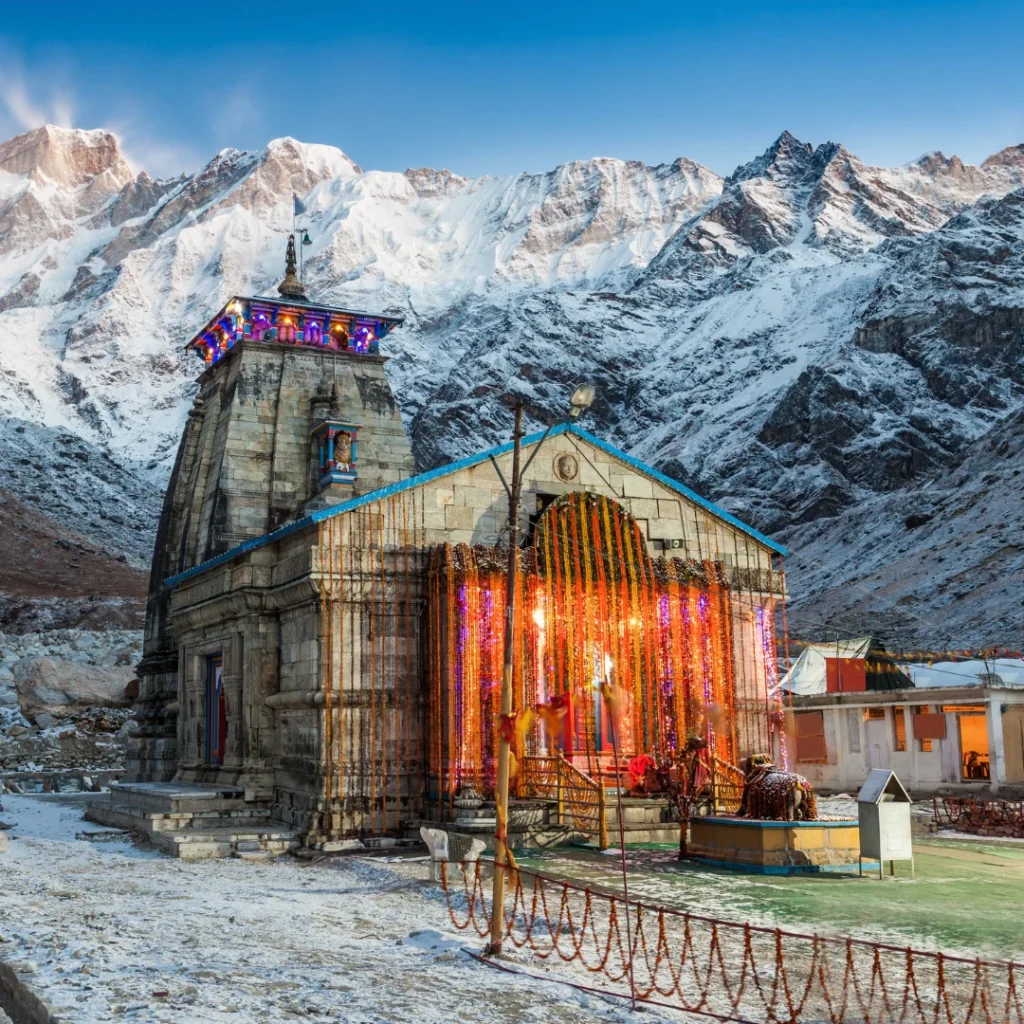
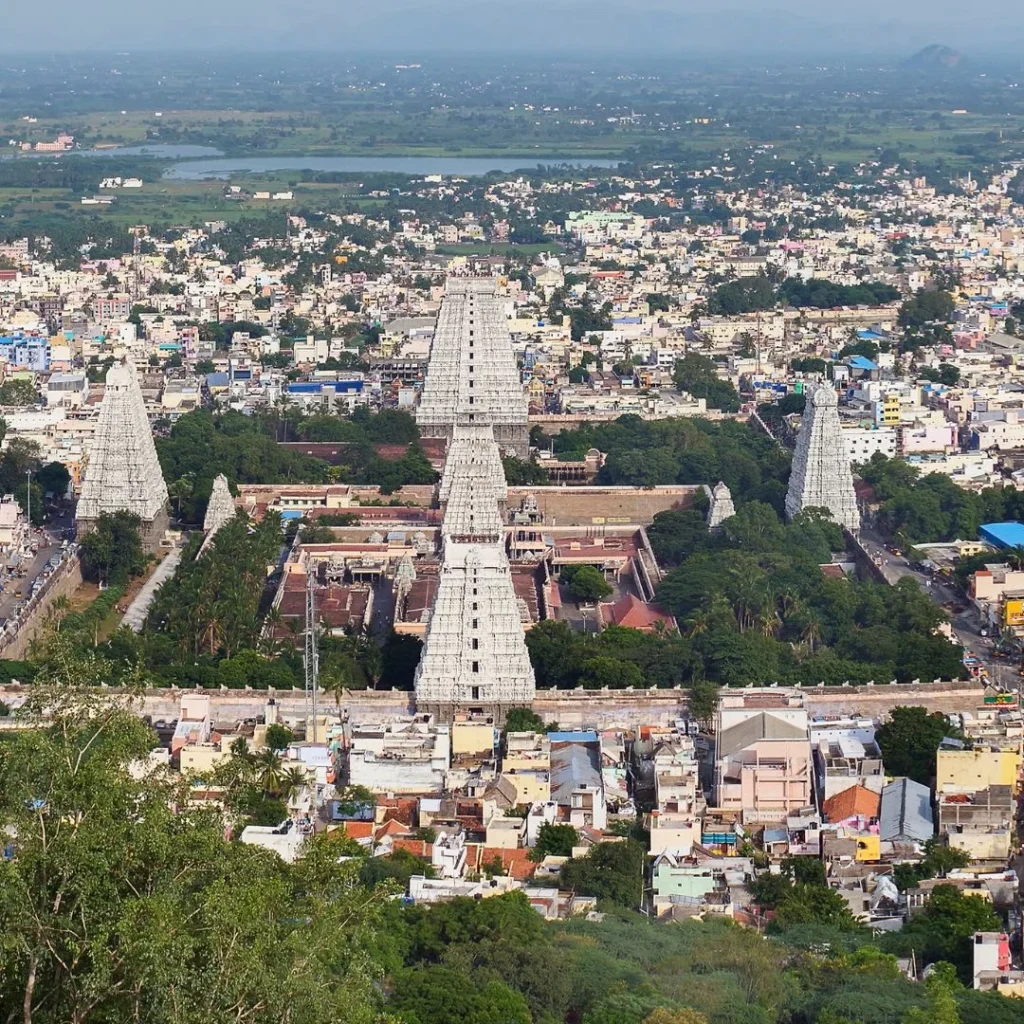
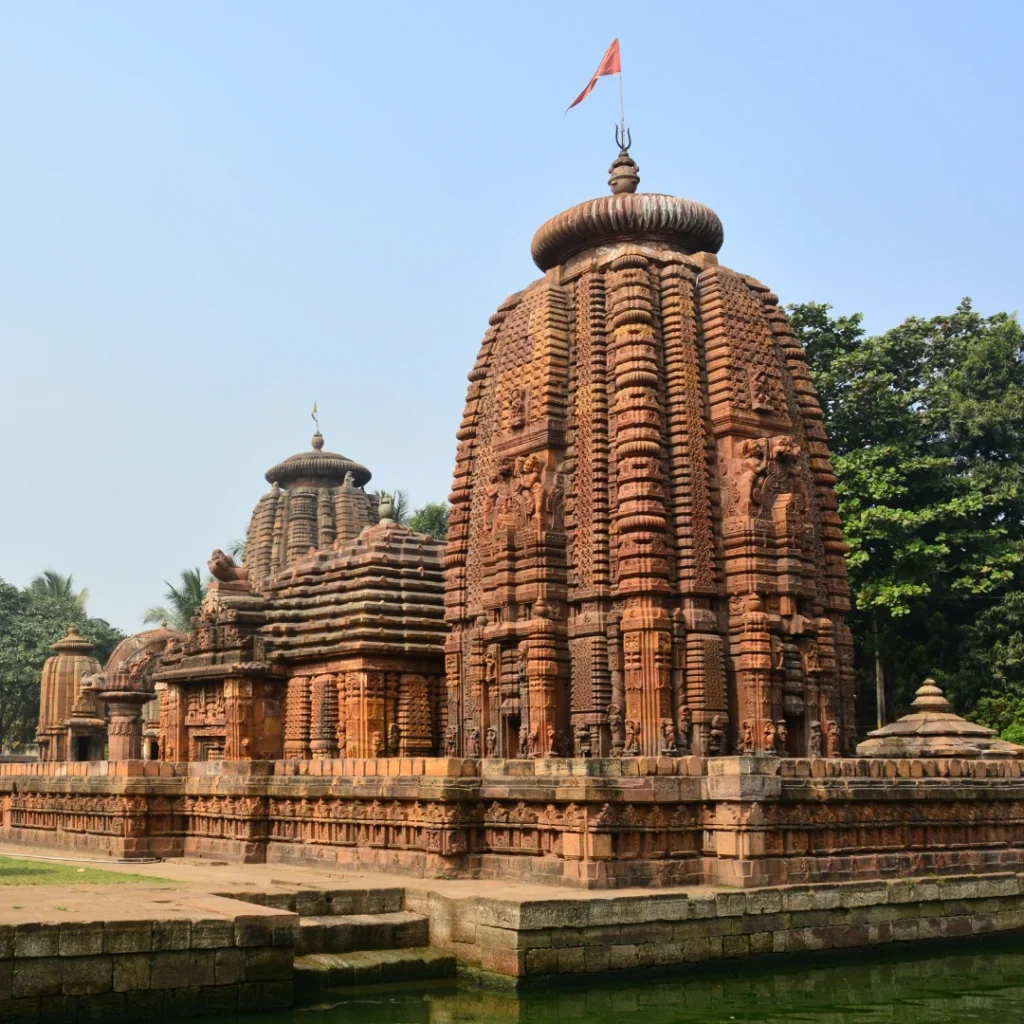
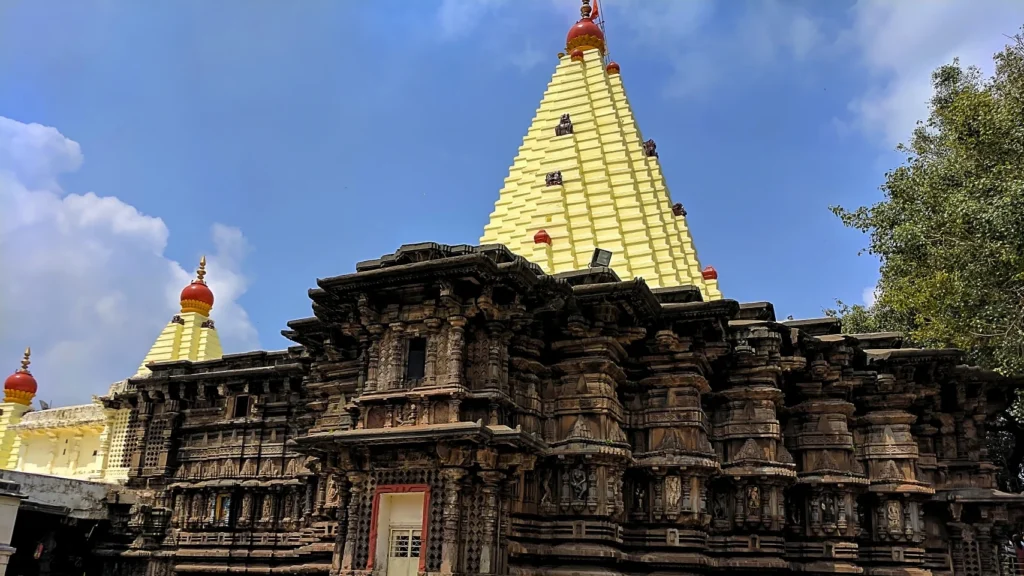
India temple destinations represent the country’s most sacred pilgrimage landscapes, carefully distributed across North, South, East, and West India. These destinations include ancient Himalayan shrines, powerful Shakti Peeth temples, architecturally rich South Indian temple complexes, and historically significant western pilgrimage centers. As a result, devotees experience spiritual continuity through region-based journeys rather than isolated temple visits.
Moreover, these sacred regions follow time-honored spiritual routes that generations of pilgrims have respected and preserved. Therefore, each region reflects a distinct devotional character shaped by geography, ritual traditions, and cultural practices. While North India connects faith with sacred rivers and mountain shrines, South India emphasizes daily temple rituals and architectural mastery. Similarly, East India preserves strong Shakti traditions, whereas, in contrast, West India blends desert spirituality with coastal faith centers.
However, meaningful temple travel depends on structured regional understanding. For this reason, exploring India temple destinations by sacred regions allows pilgrims to maintain spiritual focus, realistic pacing, and devotional discipline throughout the journey. Consequently, temple tours remain purposeful, organized, and spiritually fulfilling.
Furthermore, region-based exploration helps pilgrims avoid rushed schedules and unnecessary travel fatigue. When journeys follow historically respected routes, travel time becomes balanced and spiritually aligned. As a result, devotees can dedicate more attention to prayer, reflection, and darshan rather than logistical concerns. In addition, structured routing supports smoother transitions between destinations, thereby ensuring continuity in devotional practice.
In many regions, temples remain closely connected with local customs, seasonal festivals, and long-standing community traditions. Therefore, traveling through defined spiritual zones allows pilgrims to witness regional expressions of faith without disruption. At the same time, this approach helps travelers understand architectural evolution, ritual variations, and the deeper spiritual significance associated with each destination.